Repair
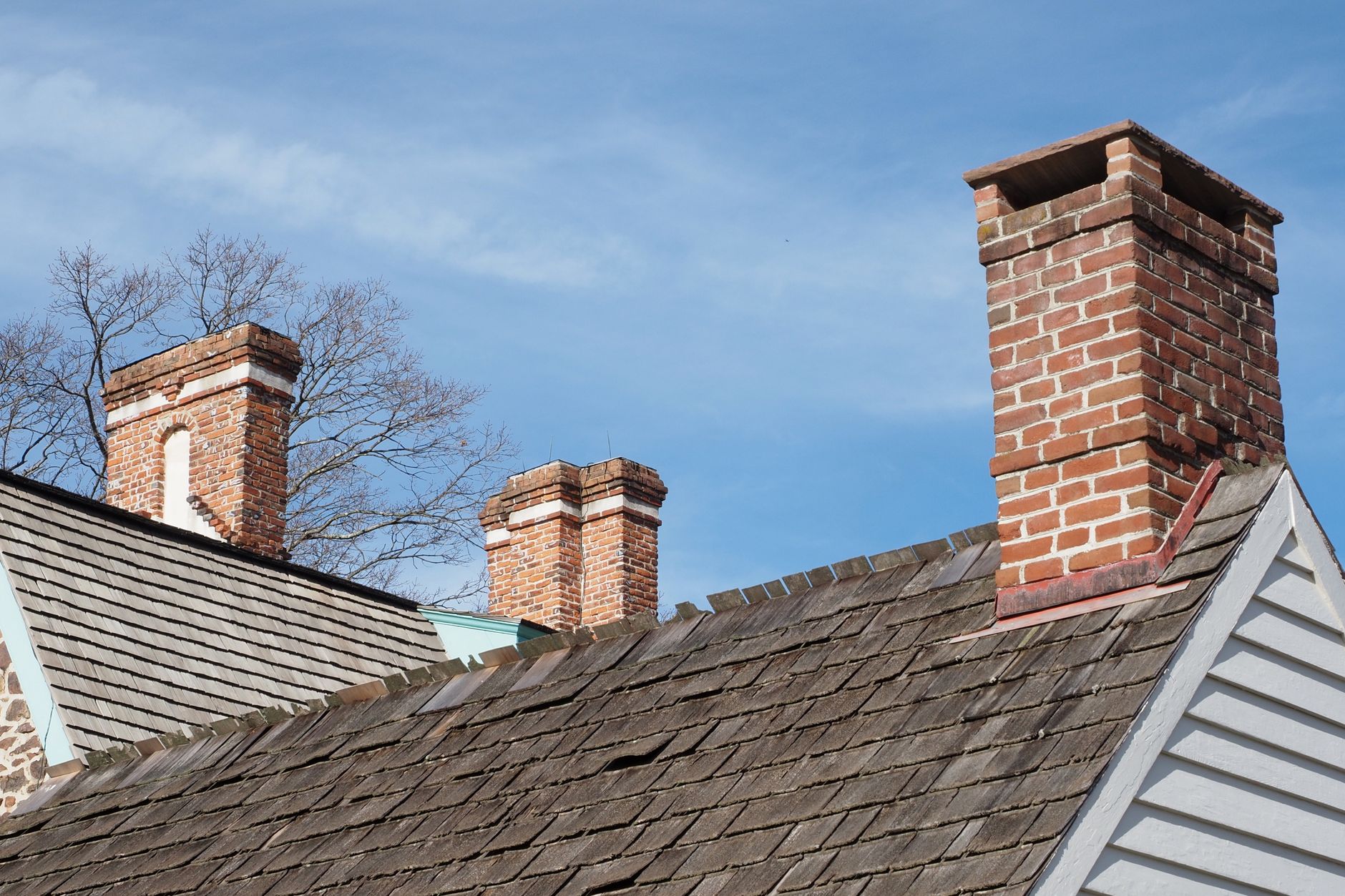
Signs Your Chimney Needs Repair Before It Gets Expensive
A cleaning won't fix a cracked crown or failing mortar joints. These warning signs tell you when it's time to call a mason — before minor damage becomes a major repair bill.
7 min read
Practical chimney and fireplace advice for Los Angeles homeowners.
A cleaning won't fix a cracked crown or failing mortar joints. These warning signs tell you when it's time to call a mason — before minor damage becomes a major repair bill.
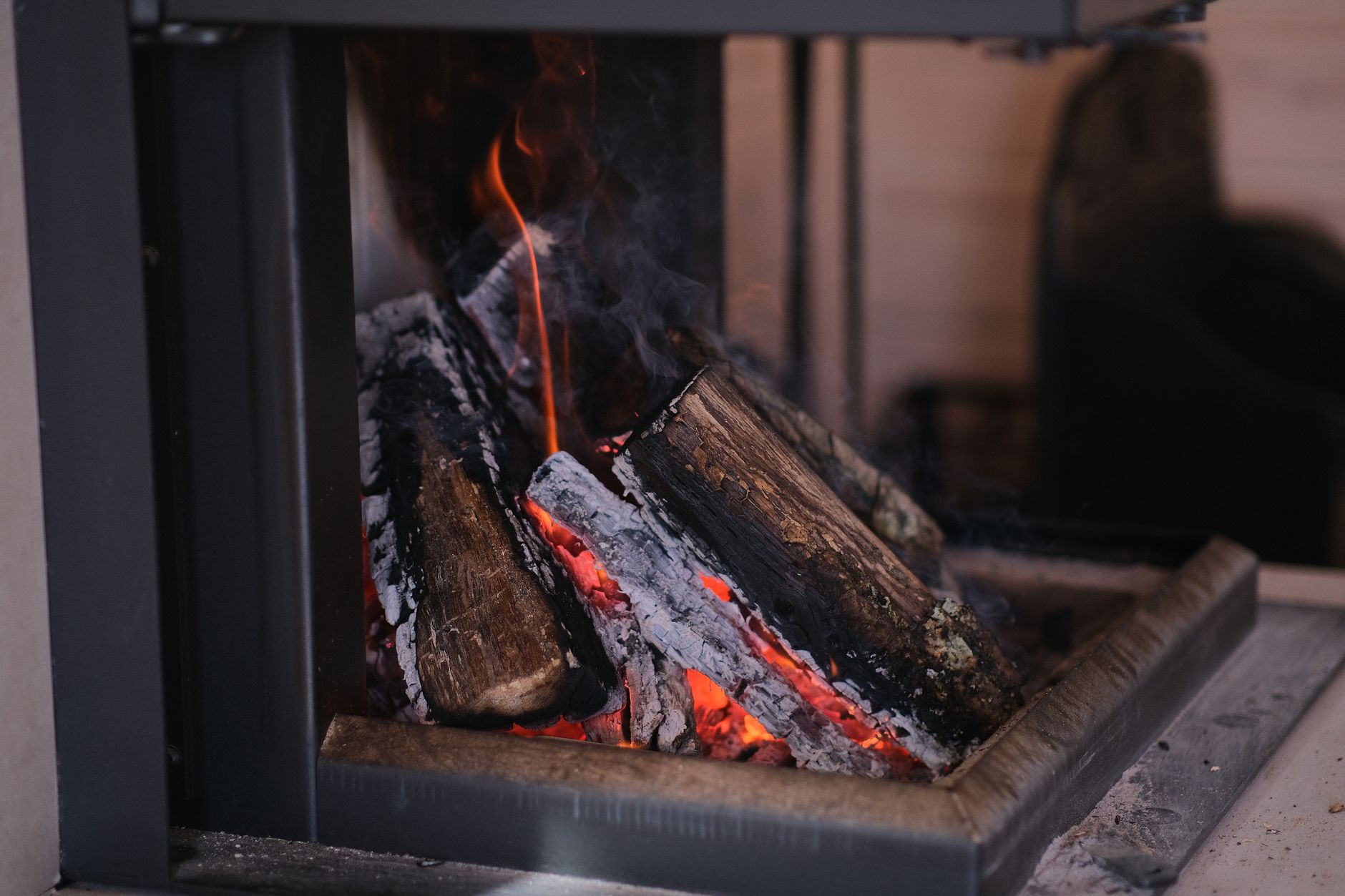
Smoke backing into your living room has a cause — and it's usually fixable. Here are the most common reasons it happens and what to do about each one.
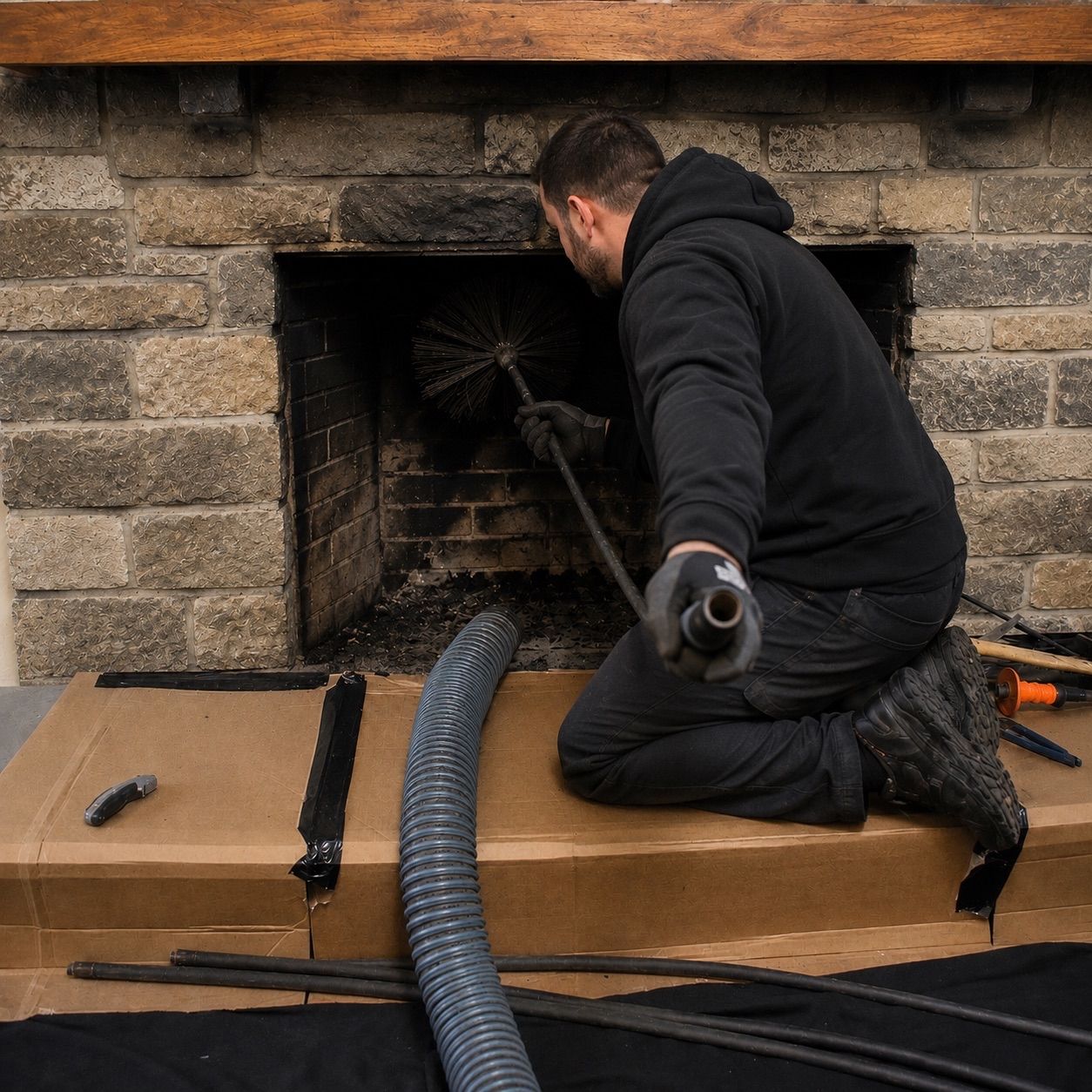
Stage 1 creosote sweeps out easily. Stage 3 can ignite inside your flue and burn for hours. A chimney professional explains the difference and what to do about each.
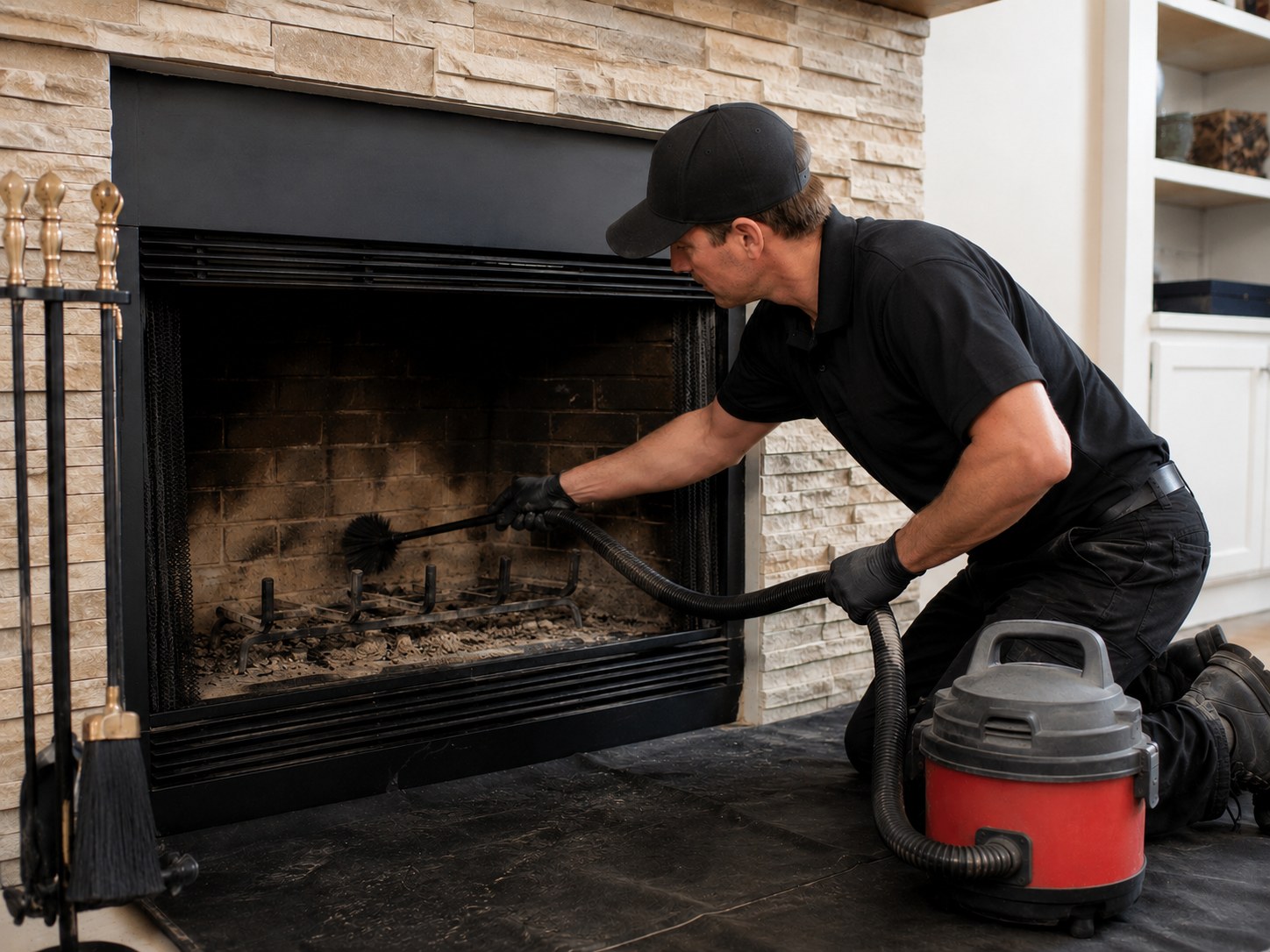
Prices vary. What you actually pay depends on chimney condition, how long cleaning takes, and whether an inspection is included. Here's the honest breakdown.
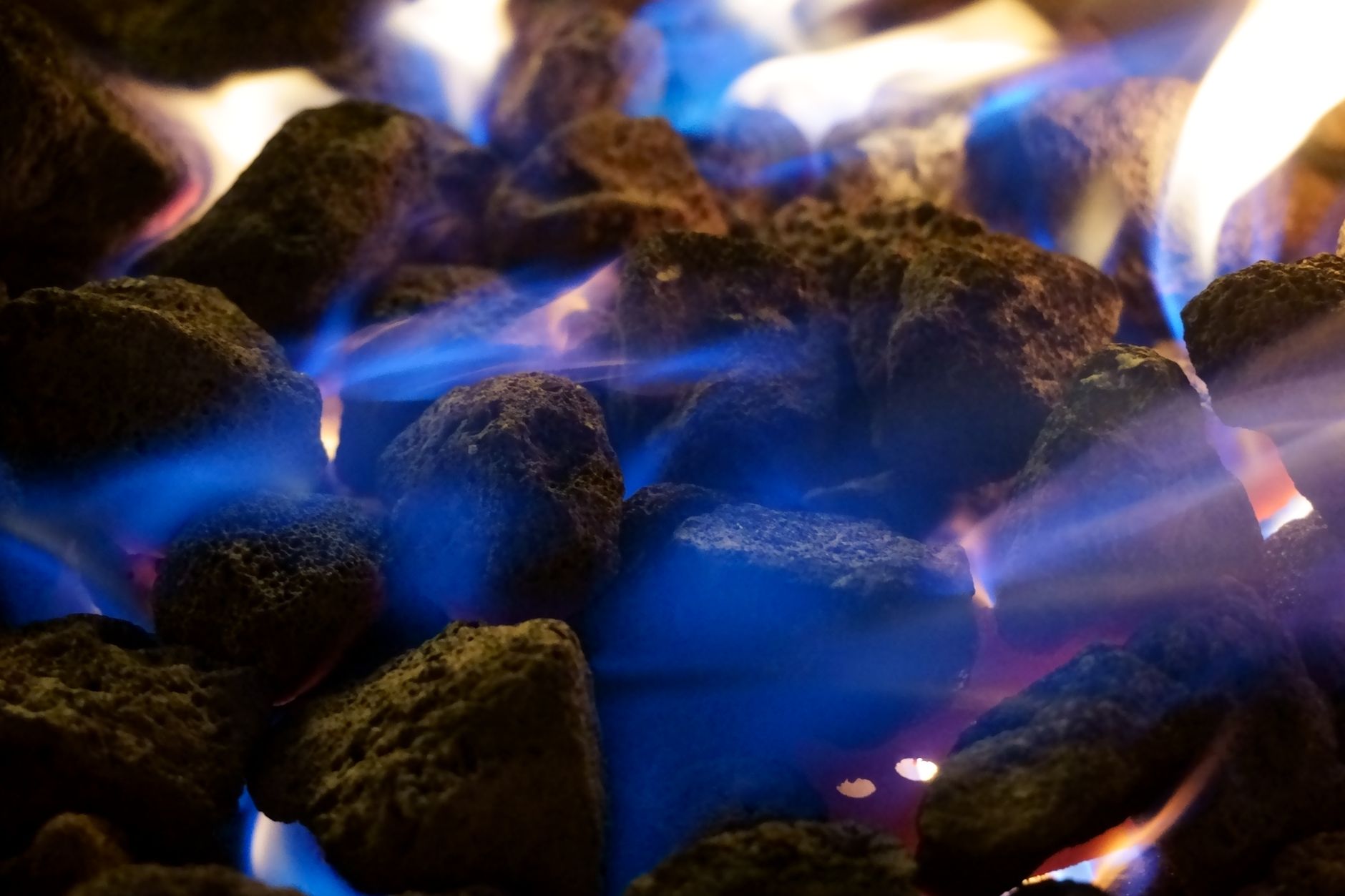
Gas burns clean. That doesn't mean your gas fireplace is maintenance-free. Here's what still needs attention — and why skipping it is a real safety risk.
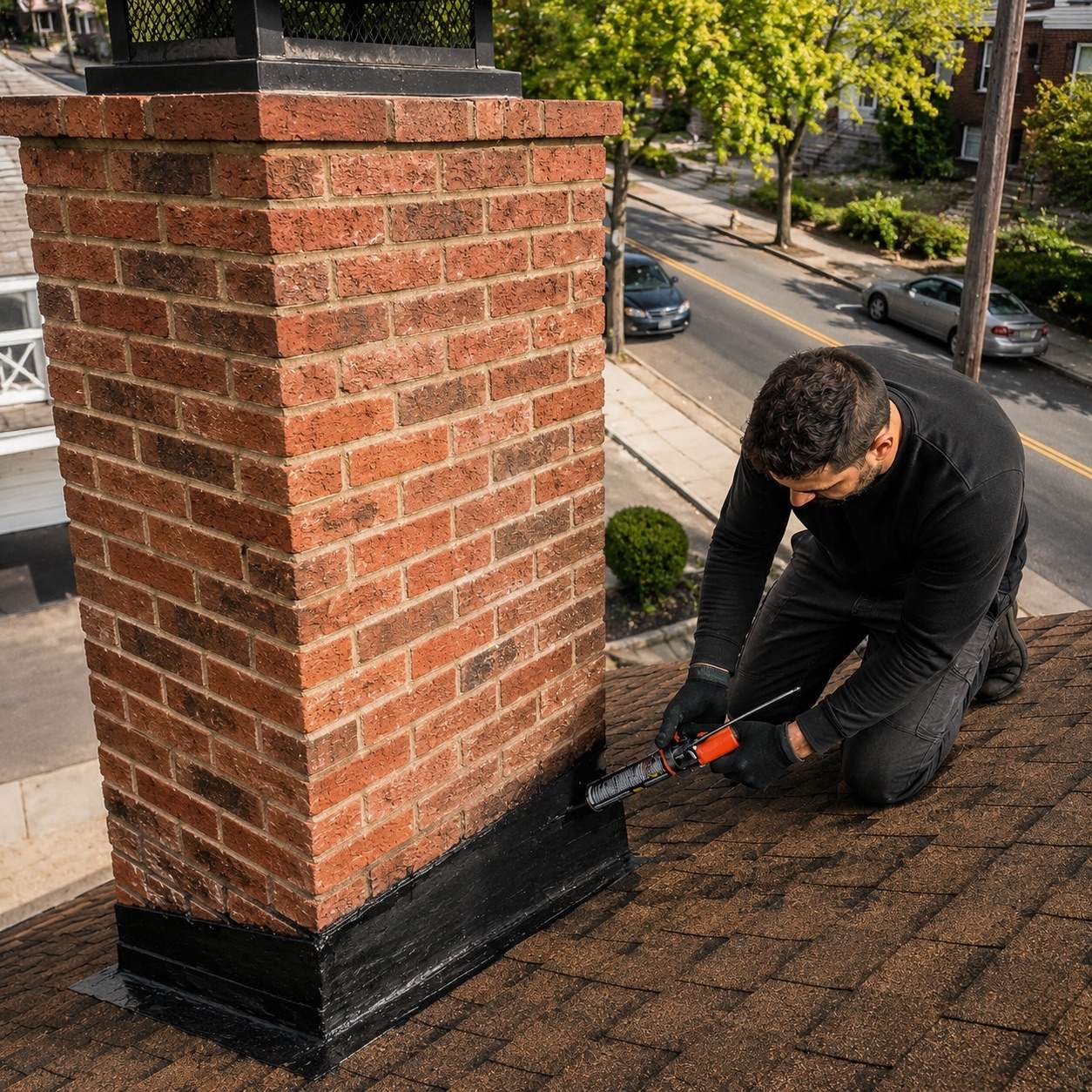
Water is the number-one enemy of chimneys. The tricky part is finding out where it's getting in — because it's rarely obvious. Here's where to look first.
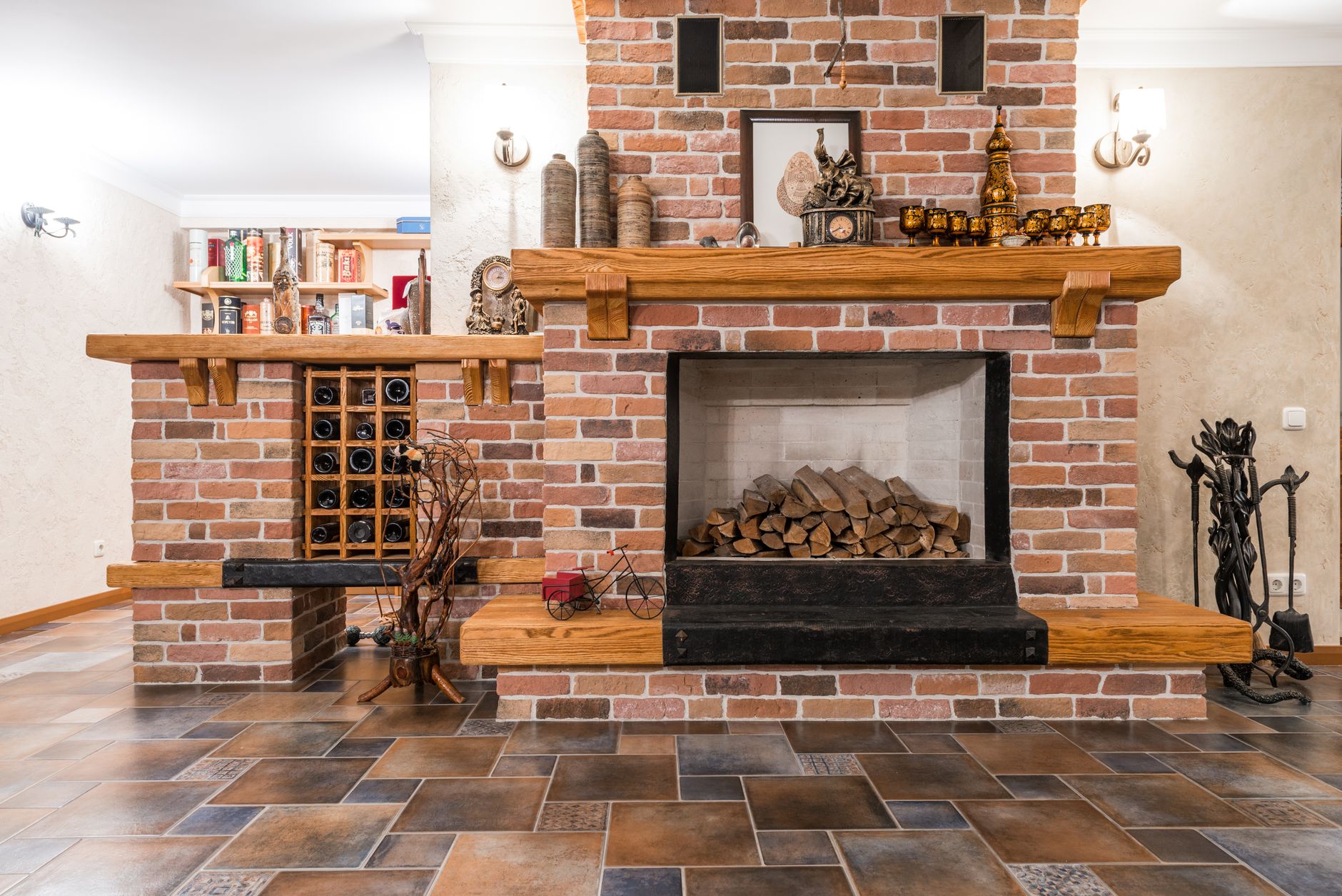
Smoky, musty, or just plain wrong — a bad fireplace smell has a cause. Here's how to figure out which one it is, and whether you can fix it yourself.
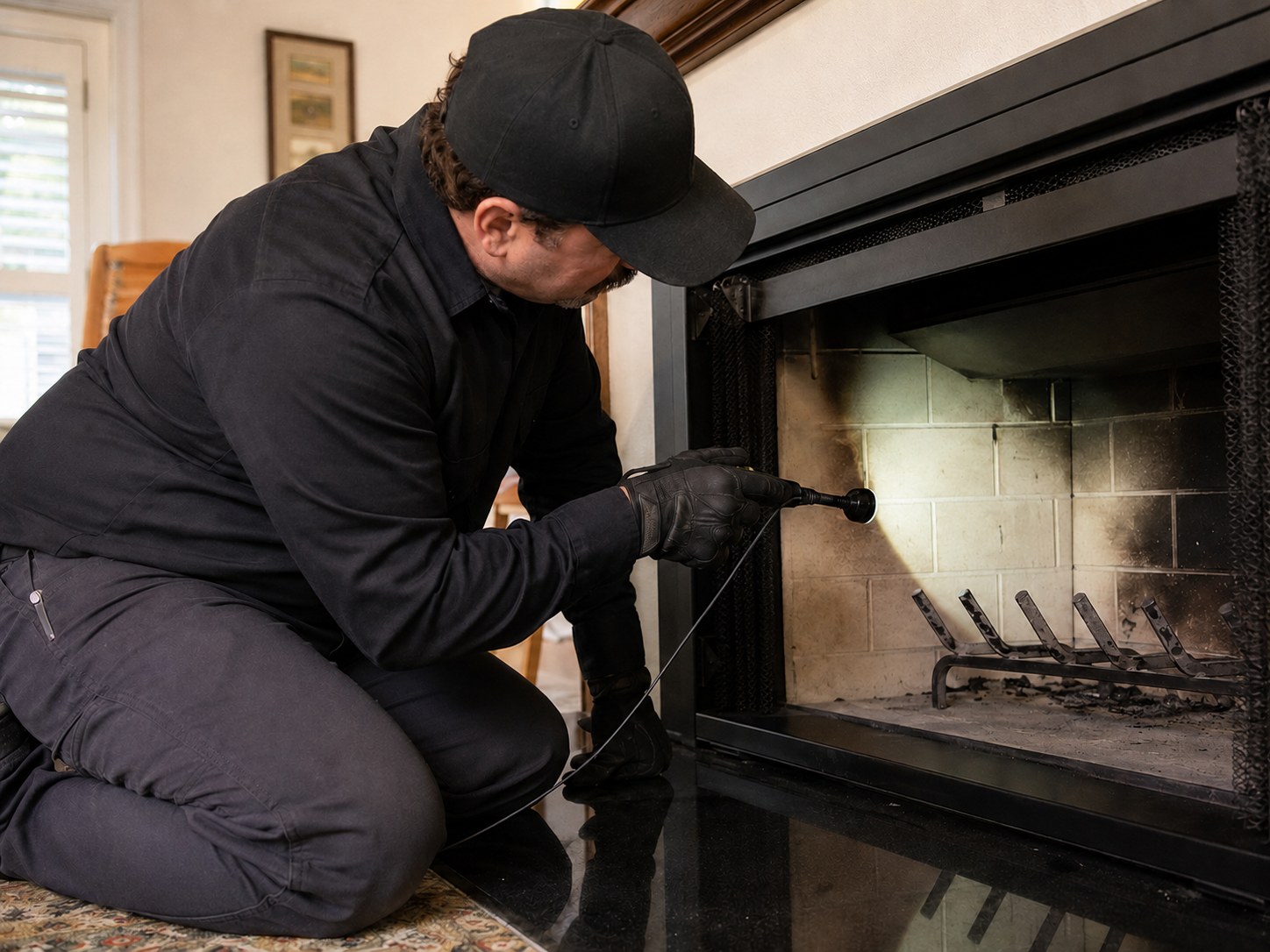
A general home inspection does not establish chimney liner condition. Here's what that leaves unanswered on a pre-purchase inspection, and what to ask for.
A gas fireplace that won't light usually has one of a few common causes — some easy to check yourself, others that need a chimney professional. Here's how to tell the difference, and the one situation where you should stop immediately.
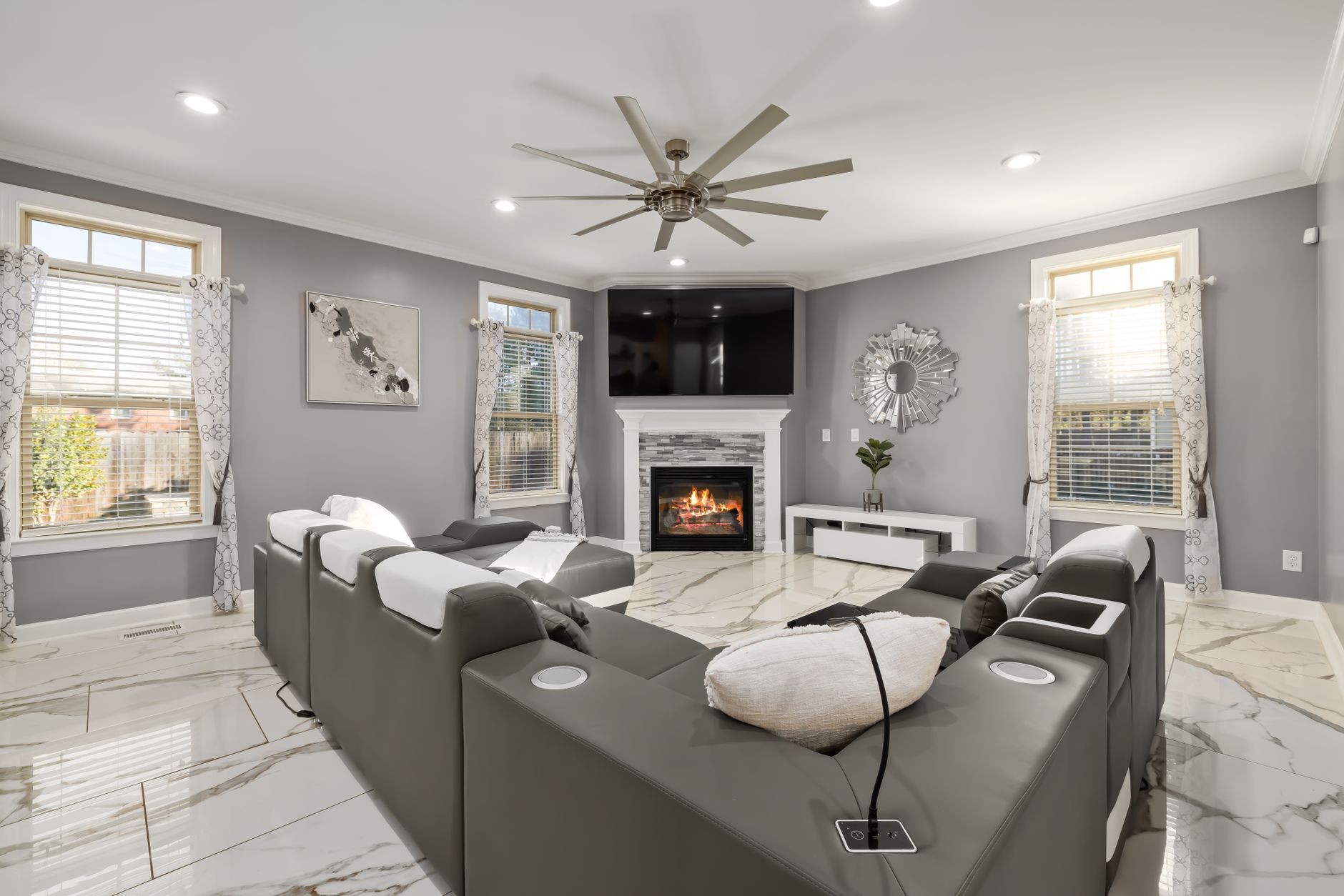
Both have their place. The right choice depends on what you're using it for, what your home already has, and what you're actually willing to maintain. Here's the practical comparison.
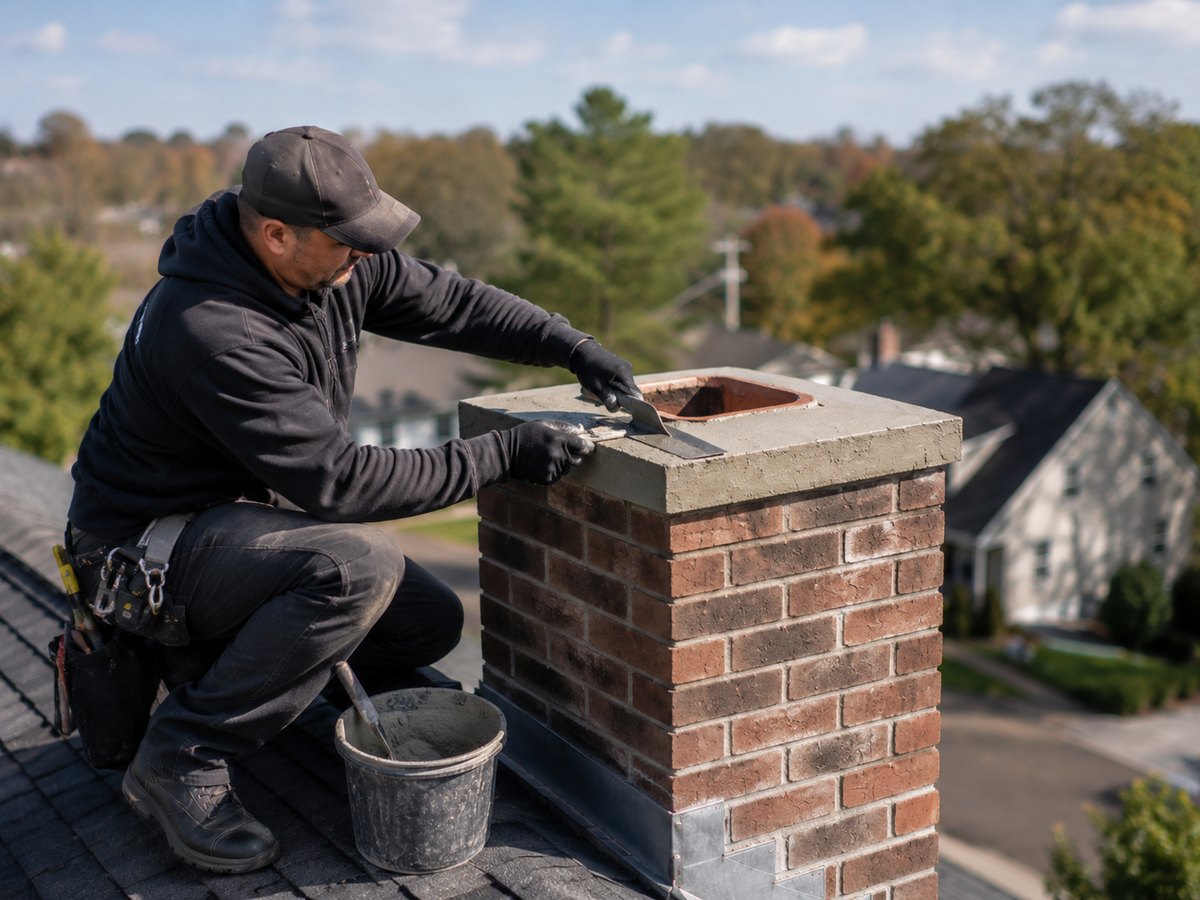
Crown, cap, chase cover — chimney terminology gets confusing fast. Here's what each component actually does, why mixing them up leads to missed maintenance, and how to spot problems with each.
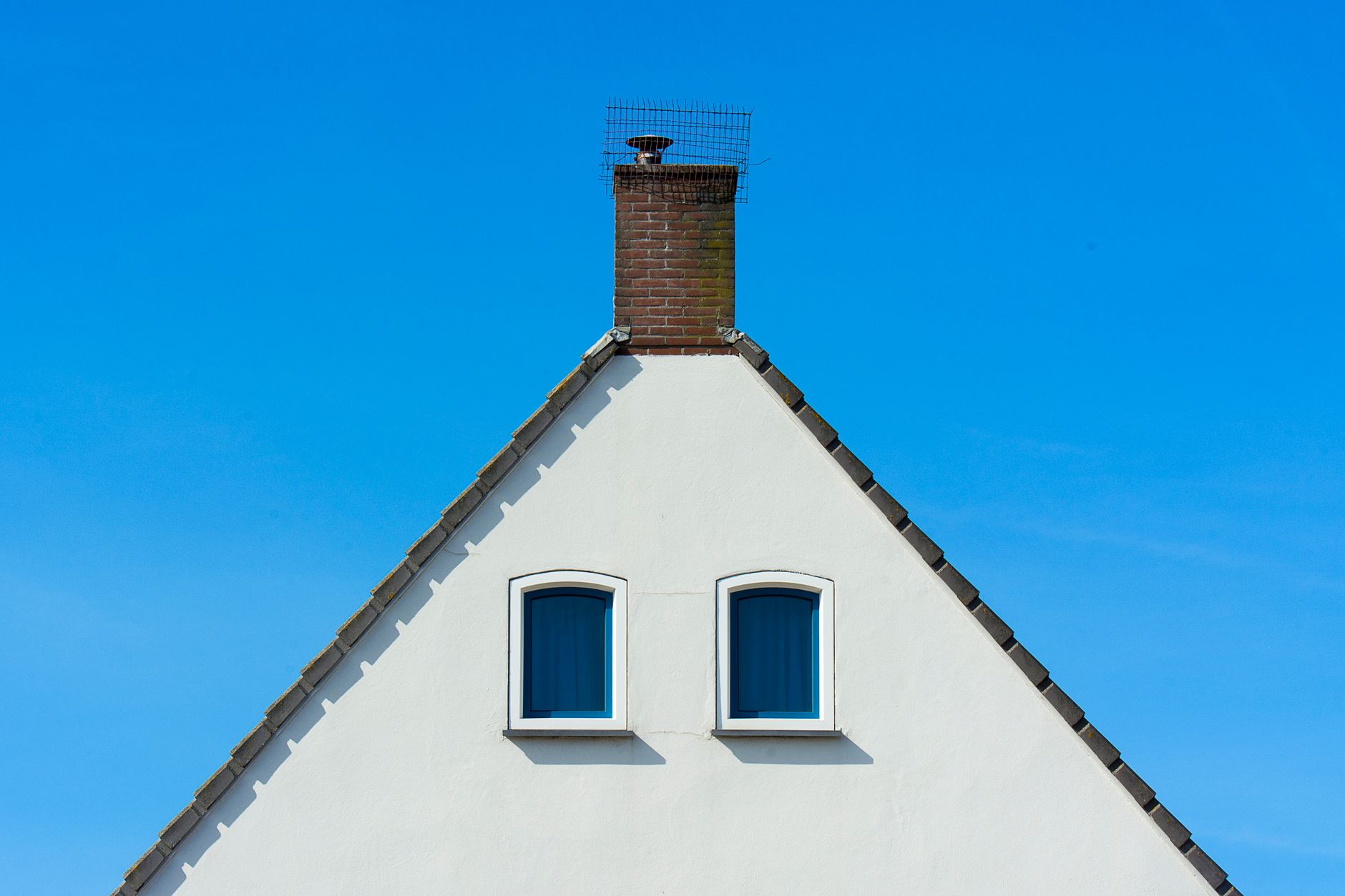
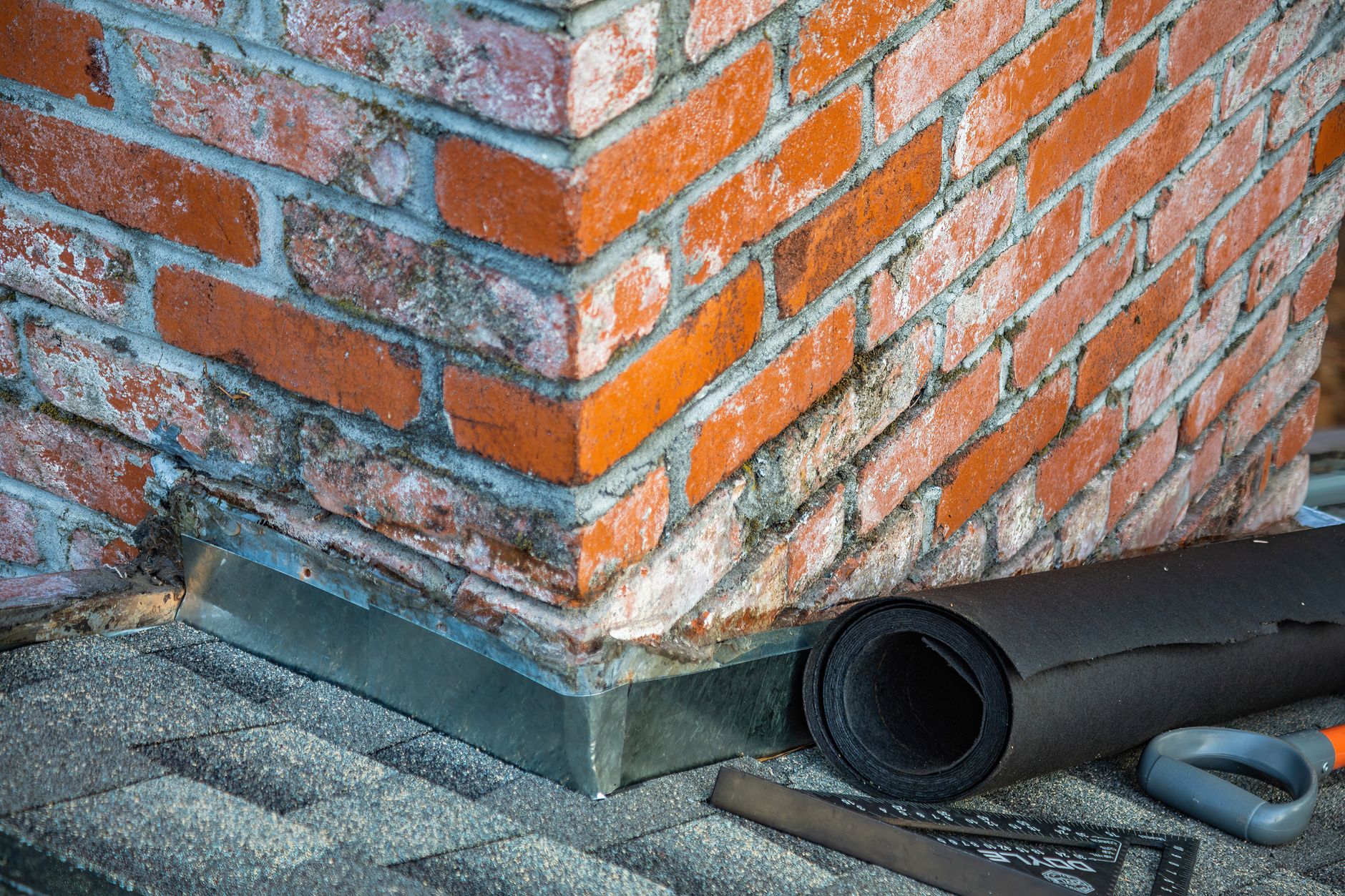
Flashing is the metal seal between your chimney and roof. When it fails — and it will eventually — you often won't know until there's a water stain on your ceiling. Here's what causes it and what early repair actually prevents.
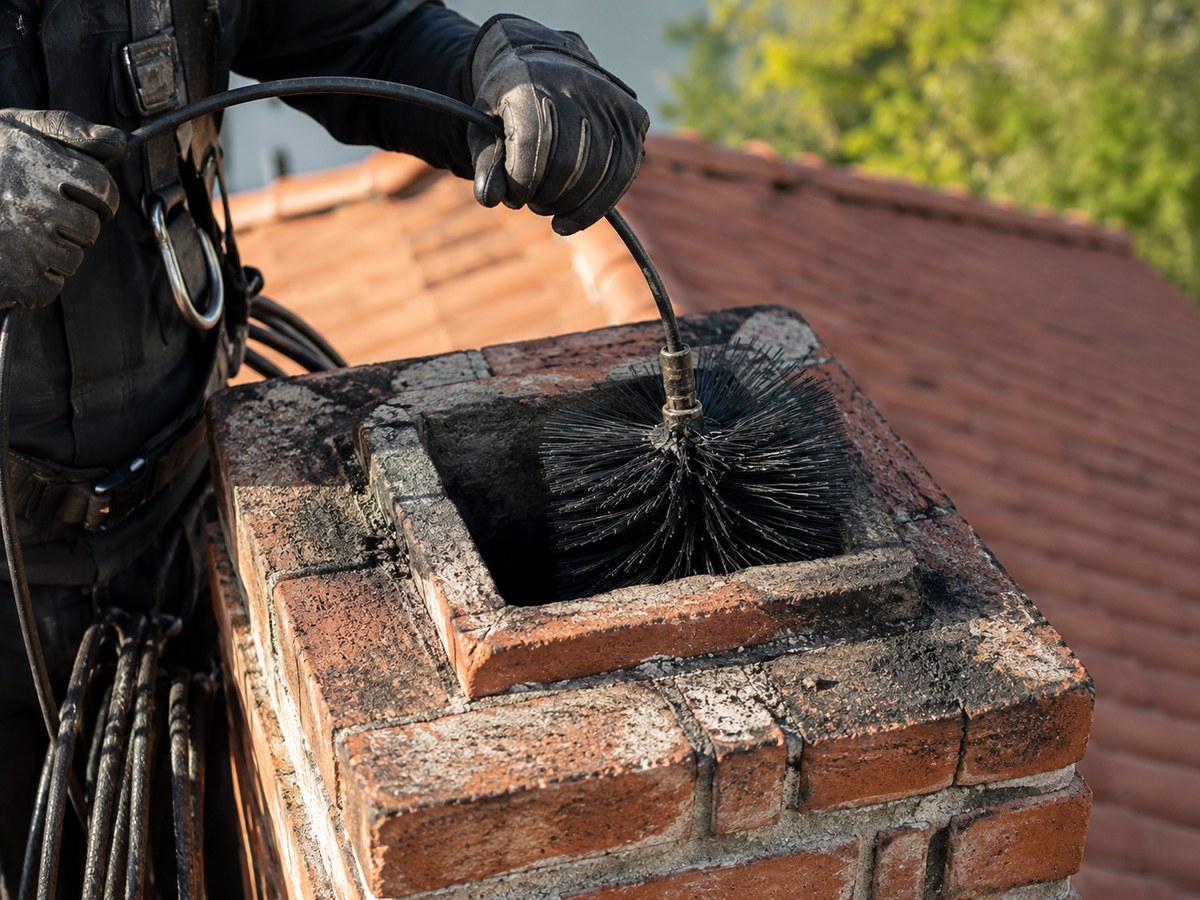
You can't see the chimney liner from the living room, which is why most homeowners never think about it. Here's what it does, what failure looks like, and why its condition has to be established by looking rather than guessed at from the hearth.
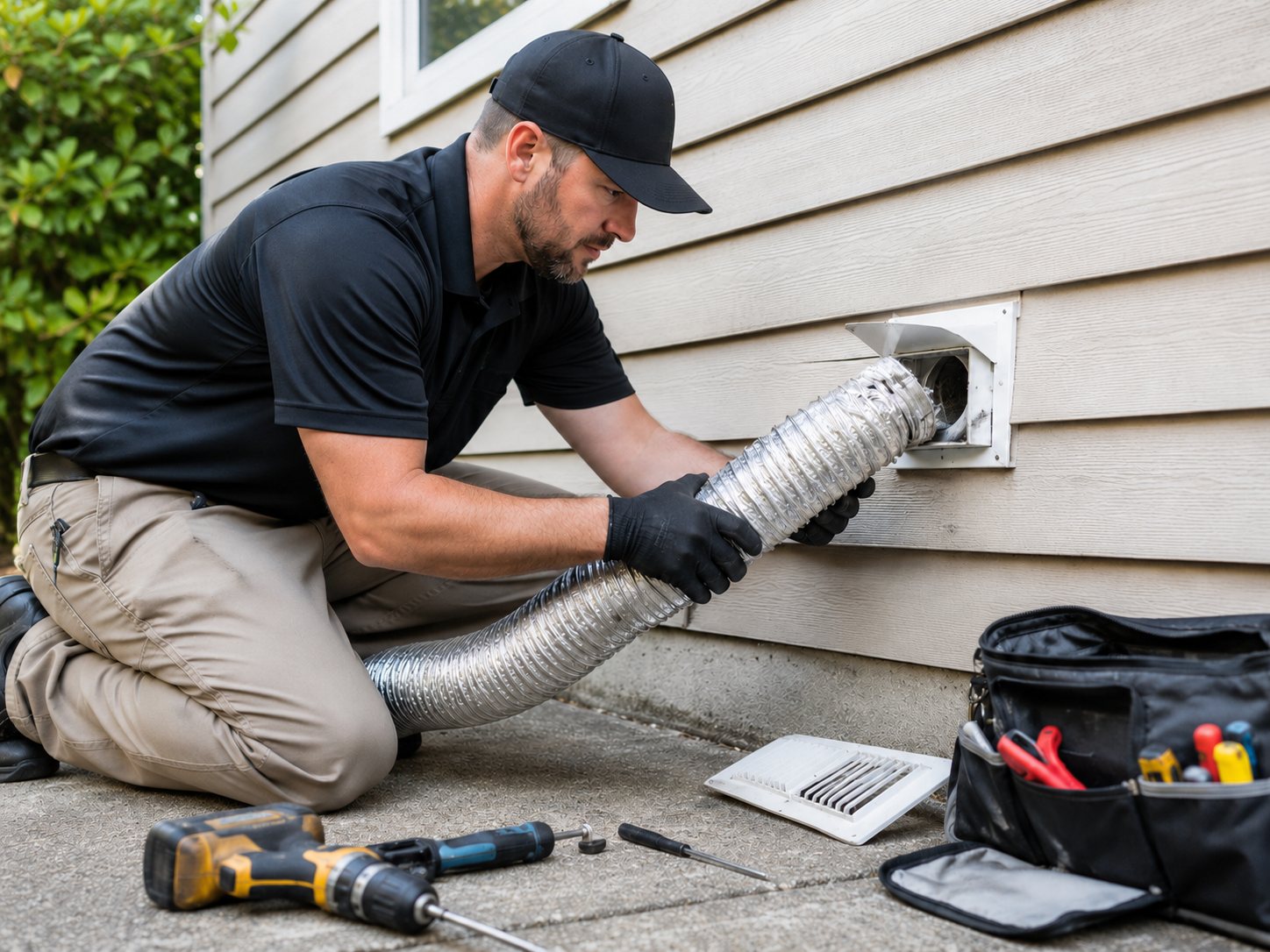
Most homeowners know chimneys need cleaning. Fewer know that dryer vents need the same treatment, for basically the same reason. Here's how the two compare and why both belong on your annual list.
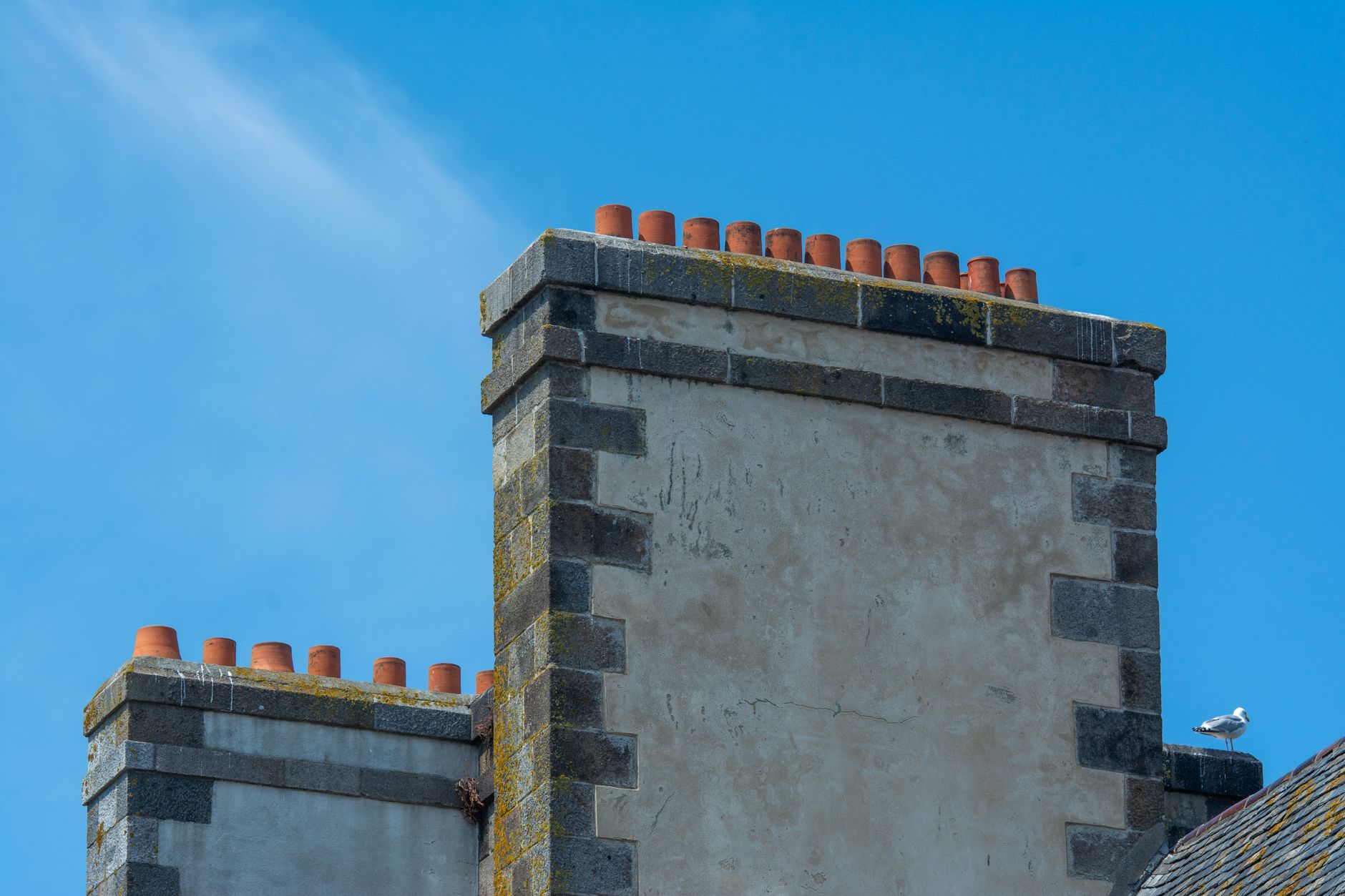
That scratching or rustling sound from the chimney means something has moved in. Here's which species are common, which are protected by law, and the one thing you should never do when you find an animal in the flue.
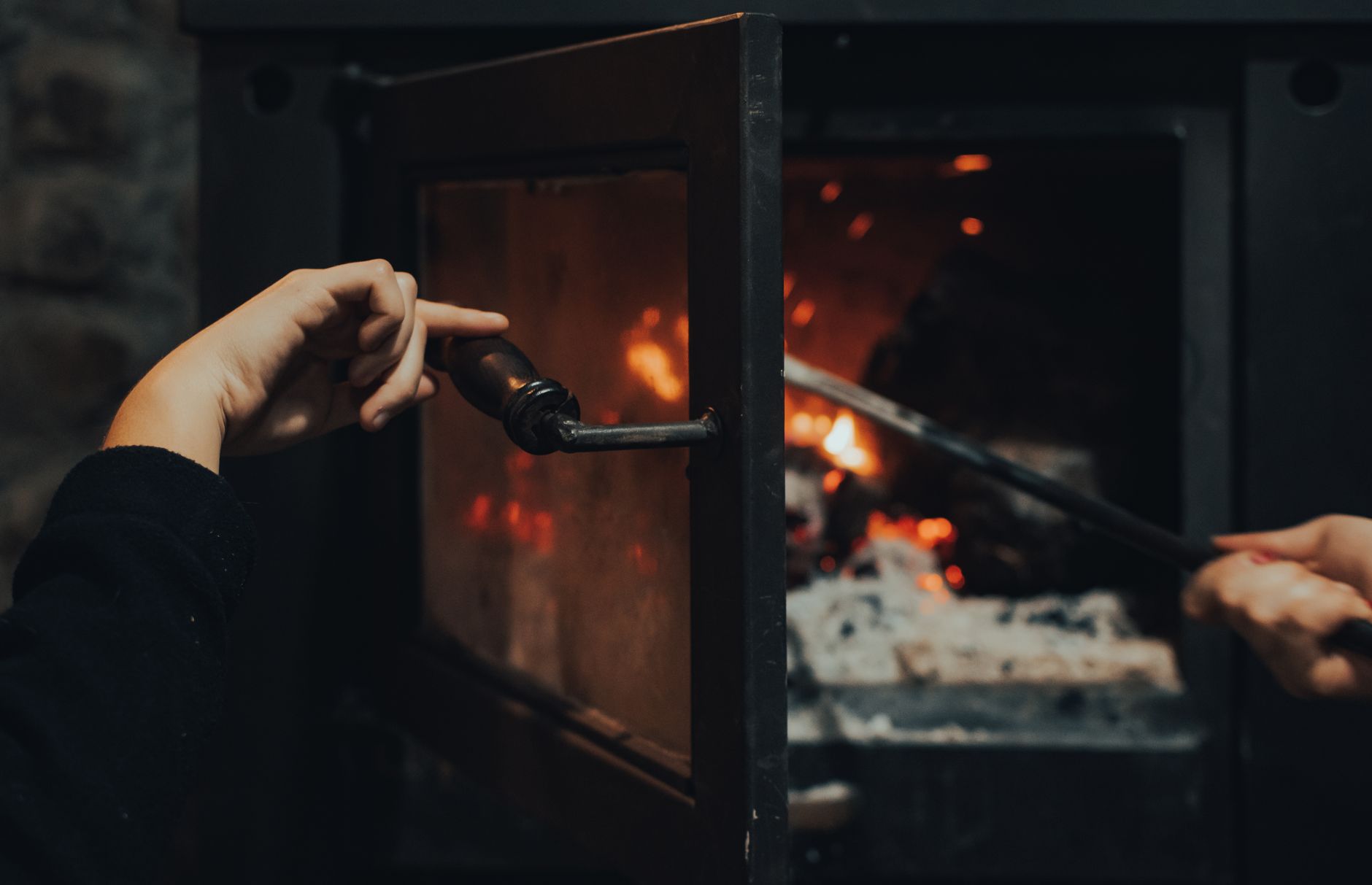
Black fireplace glass isn't just an aesthetic problem. It usually means something is burning inefficiently. Here's what causes it in wood and gas fireplaces, and what to do about it beyond cleaning the glass.
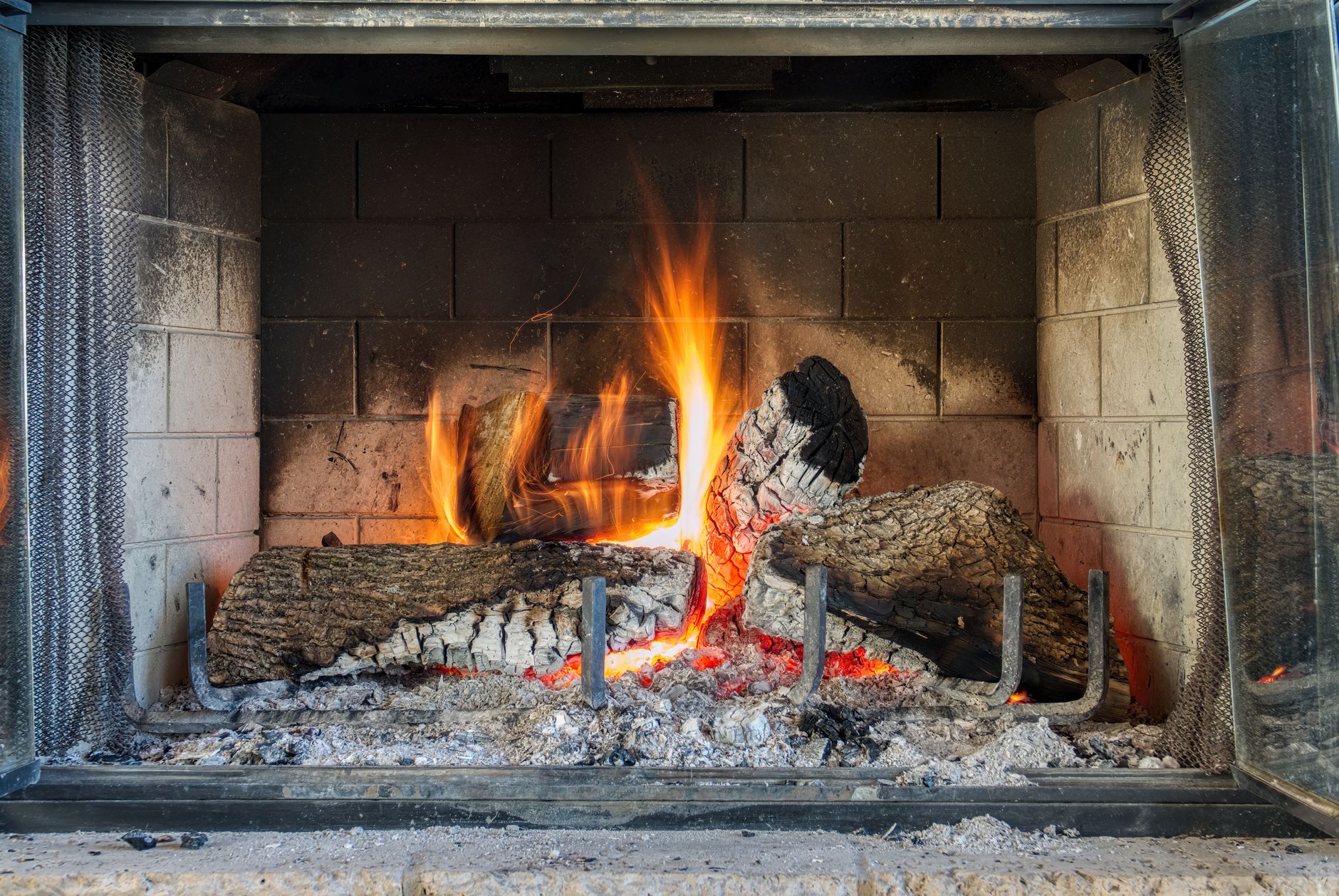
Most chimney problems start with a skipped step before the season. Here's a practical six-point checklist that takes less time than an oil change and could save you from an expensive surprise mid-winter.
Yes, on most days. Not on a no-burn day, not with an EPA-certified stove as an excuse, and no new wood-burning device in development begun on or after March 9, 2009. What South Coast AQMD Rule 445 actually says.
Sometimes. It turns on what caused the damage and what your policy says. Wear and slow leaks are typical exclusions, earthquakes are excluded from standard policies, and fire following an earthquake must be covered under California law.
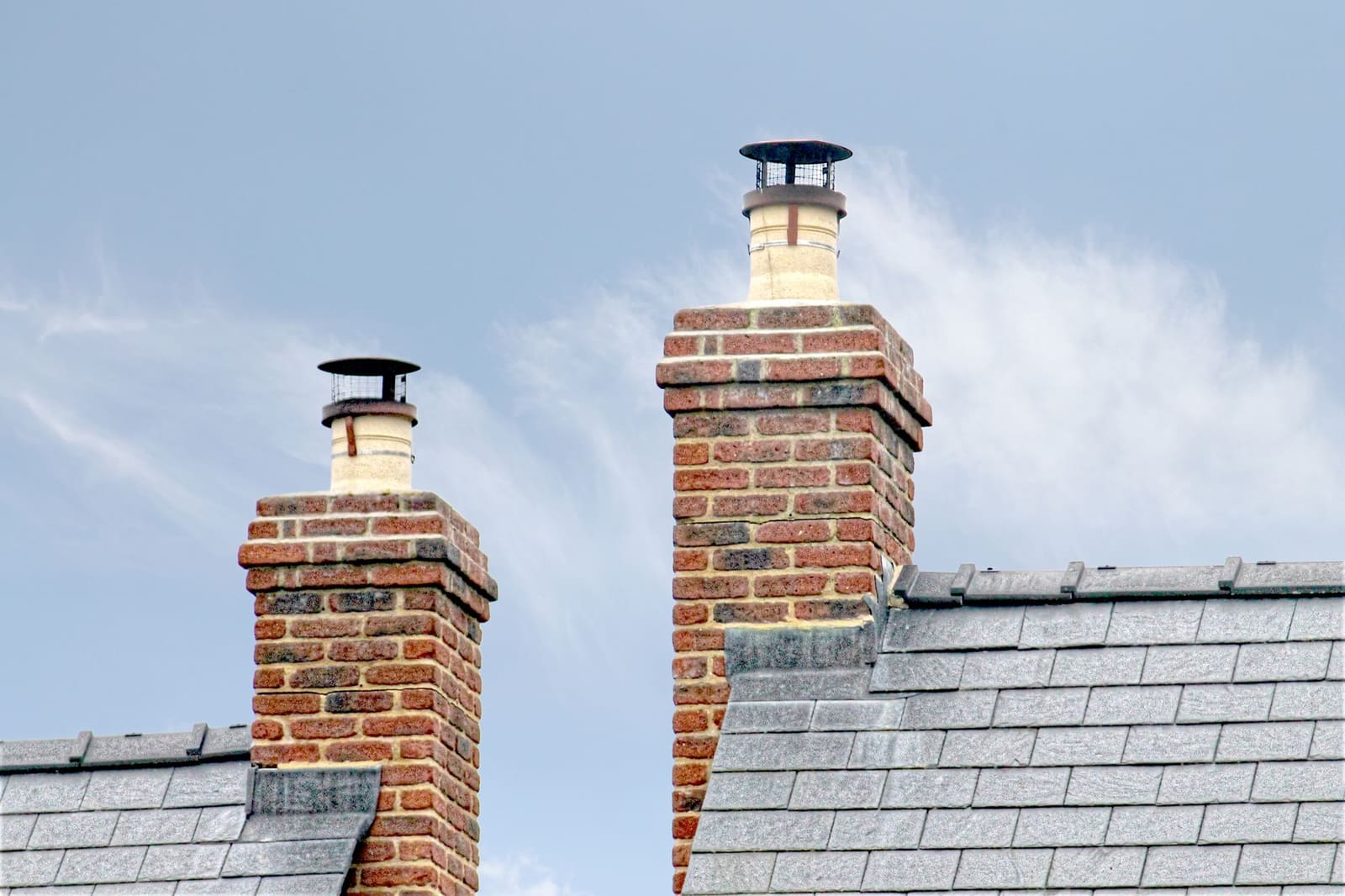
Treat a masonry chimney as unsafe after an earthquake until someone has looked at it. What you can check from the ground and the hearth, what only a look inside the flue will show, and what the repair options are.
The 3-2-10 rule is the chimney termination requirement in California Residential Code R1003.9. What the wording says, how the two conditions interact, where factory-built chimneys differ, and who decides on your house.
A chimney is nine or so separate parts, and each one fails in its own way. A roof-to-hearth walk through every component, what goes wrong with it, and what the symptom looks like from inside.
Brick patterns and stucco chimneys fool a lot of people. Five checks from the hearth and the roofline, the label that settles the question, and what each answer means for repairs and inserts.
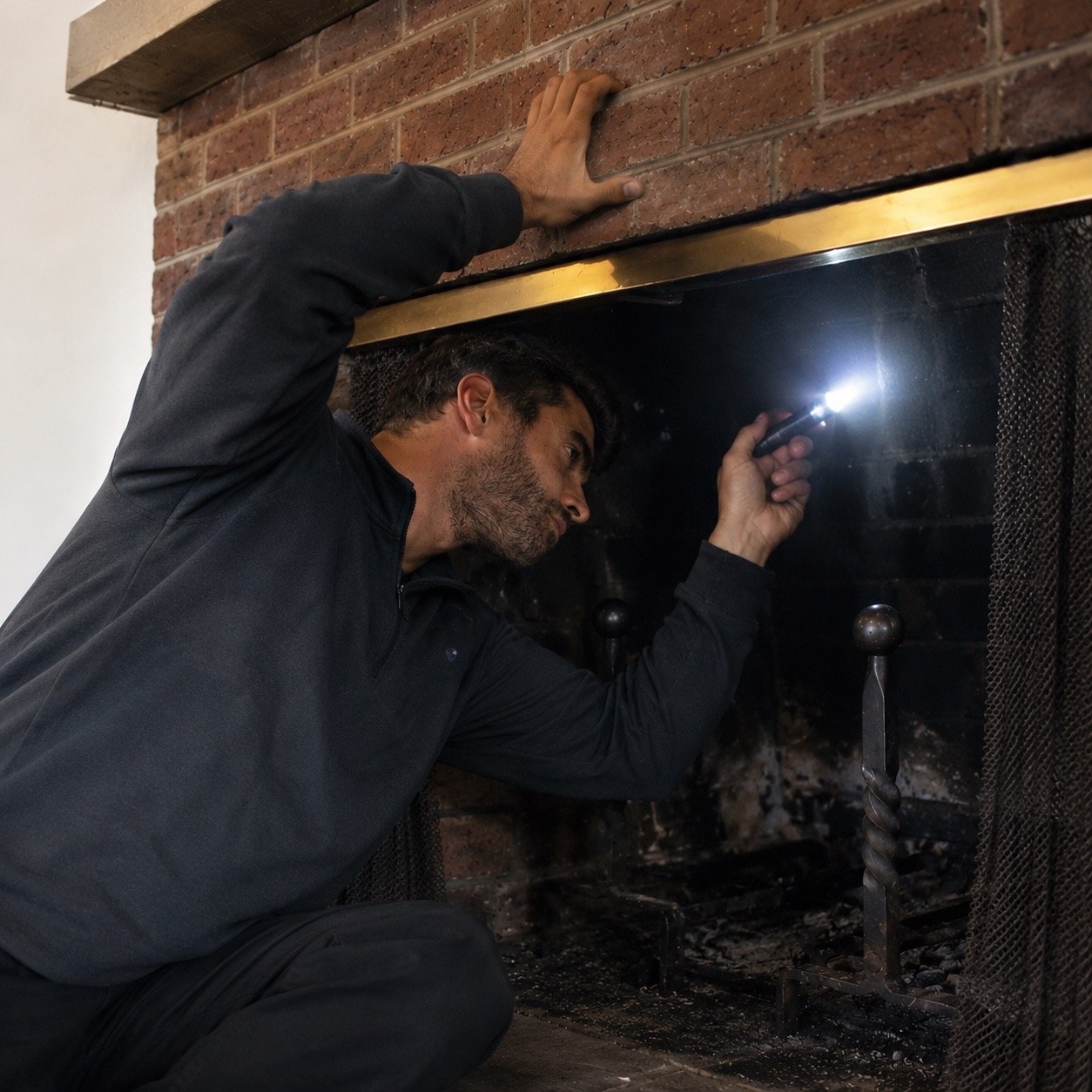
The price of a chimney inspection follows its scope. The three NFPA 211 levels explained as industry terms, the situations that call for more than a routine look, and the questions that make two quotes comparable.
In a historic district, how a chimney is repaired can matter as much as whether it is. Where the City's HPOZs are, why modern mortar damages old brick, and the order of steps that avoids redoing work.
An active nest in the flue is not a same-week removal job. Why nesting birds are treated as potentially protected, what to do while the young are still up there, and how to stop it happening next year.
A chimney you never use still has an open hole in the roof. The main ways to close it, what each one gives up, and the checks to make before sealing anything.
What the California Residential Code actually requires on a wood-burning chimney, how the 10-foot tree clearance works in LA's highest fire zones, and the two ways a spark screen quietly stops doing its job.
Local chimney notes for Los Angeles and cities across the county. View all service areas →
Questions? Email us.
Ask us directly — questions get answered before you book.