People don't naturally connect a dryer vent with a chimney. One is in the laundry room, the other is attached to the fireplace. But from a maintenance standpoint, they have more in common than you'd expect — both are exhaust ducts that accumulate combustible material over time, both restrict airflow as they clog, and both create fire risk when they're neglected.
The Similarity: Both Collect Combustible Material
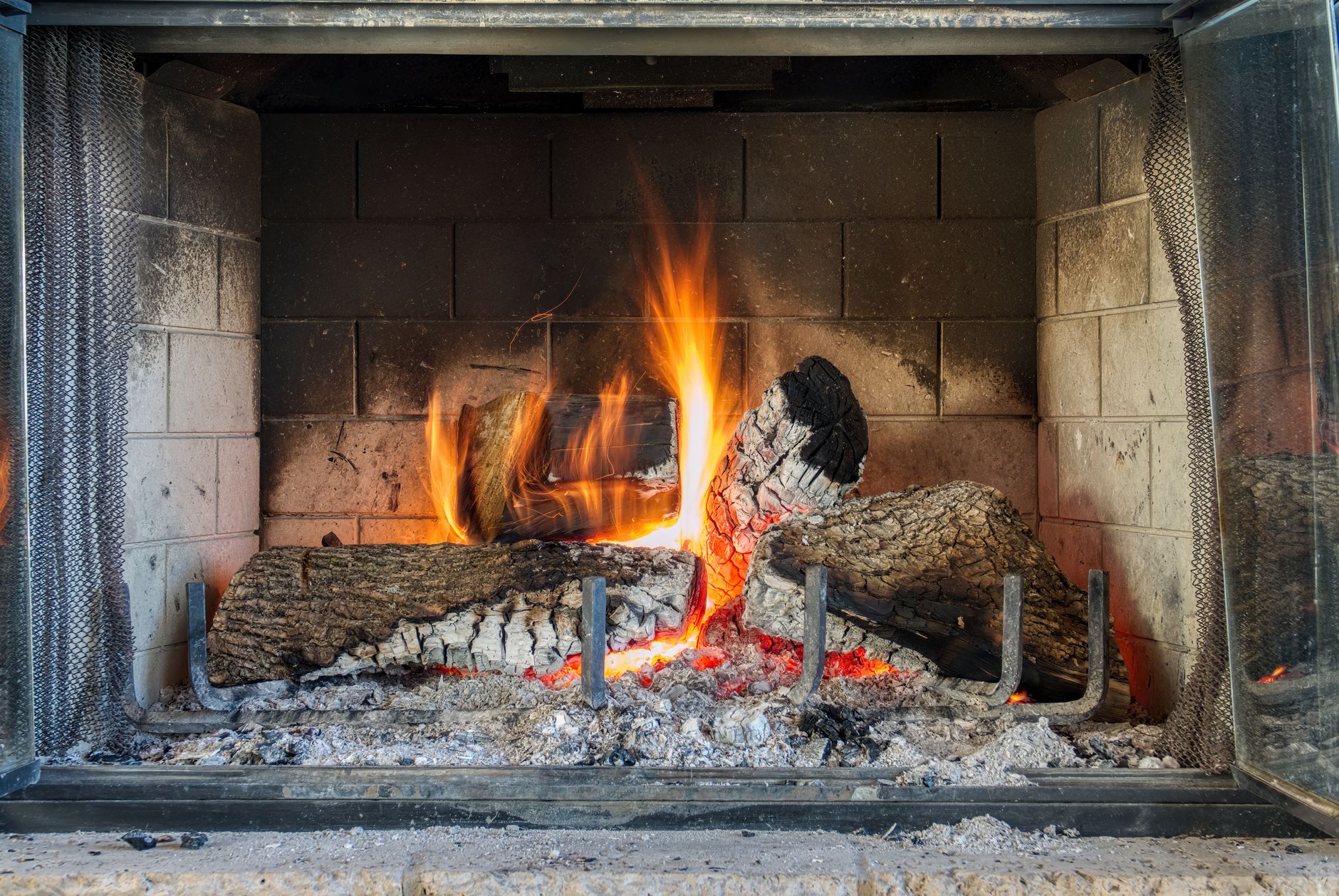
A chimney collects creosote — the condensed byproduct of burning wood, which builds up on the flue liner. Creosote is combustible, and a heavy, glazed deposit can ignite inside the flue and sustain a chimney fire.
A dryer vent collects lint — the fine fiber that comes off clothing during drying. Lint is highly combustible, and it creates fire risk by restricting airflow and sitting next to a heat source.
Both need removing periodically. For chimneys, NFPA 211 recommends annual inspection, with cleaning as the condition requires. For dryers, the U.S. Fire Administration reports that failure to clean (31%) was the leading factor contributing to the ignition of clothes dryer fires in homes, based on 2018–2020 data.
The Differences: Lint vs Creosote
Lint is lighter and cleaner than creosote, and in a busy household it can build up faster: a dryer runs far more often than most fireplaces are lit.
Creosote is usually described in three stages — flaky, hard and granular, and glazed — each calling for a different removal approach. Glazed deposits often need a chemical treatment before they can be removed mechanically, which is covered on the creosote removal page.
Lint is always the same material and always requires the same removal approach: a flexible brush system or air pressure equipment that pushes it through the duct to the exterior termination.
Creosote in a chimney requires a chimney professional who can assess the stage and apply the appropriate method. Dryer vent cleaning has a lower technical bar but still benefits from professional equipment that reaches the full duct length.
How Each Cleaning Works
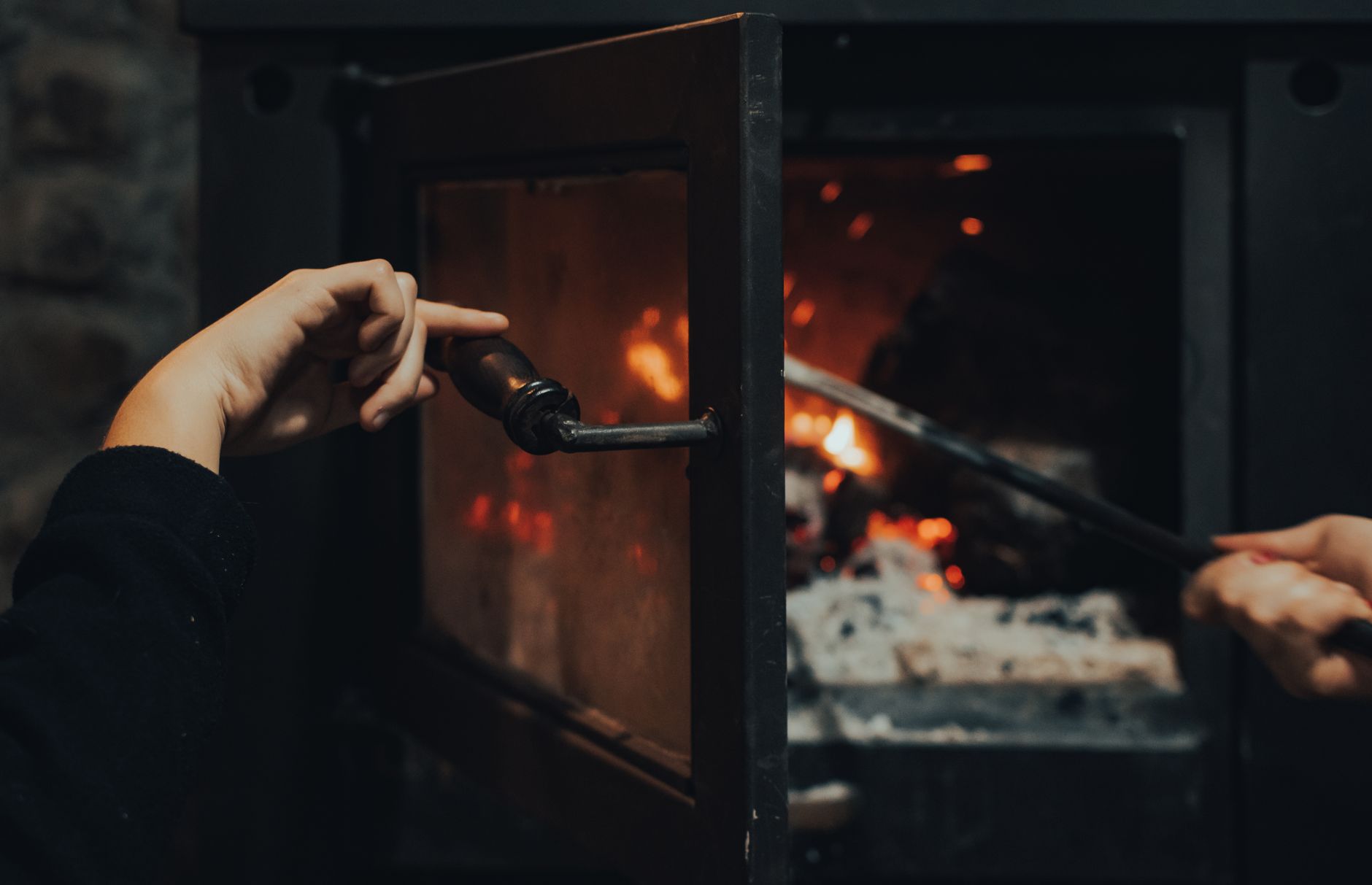
Chimney cleaning: a chimney professional sets up a HEPA vacuum inside the firebox to capture falling debris, then uses rotary brushes sized to the flue liner to scrub the walls from the top of the chimney down. The process removes creosote from every accessible surface of the liner, the smoke shelf, and the firebox. A cleaning typically includes a visual inspection of the accessible flue components.
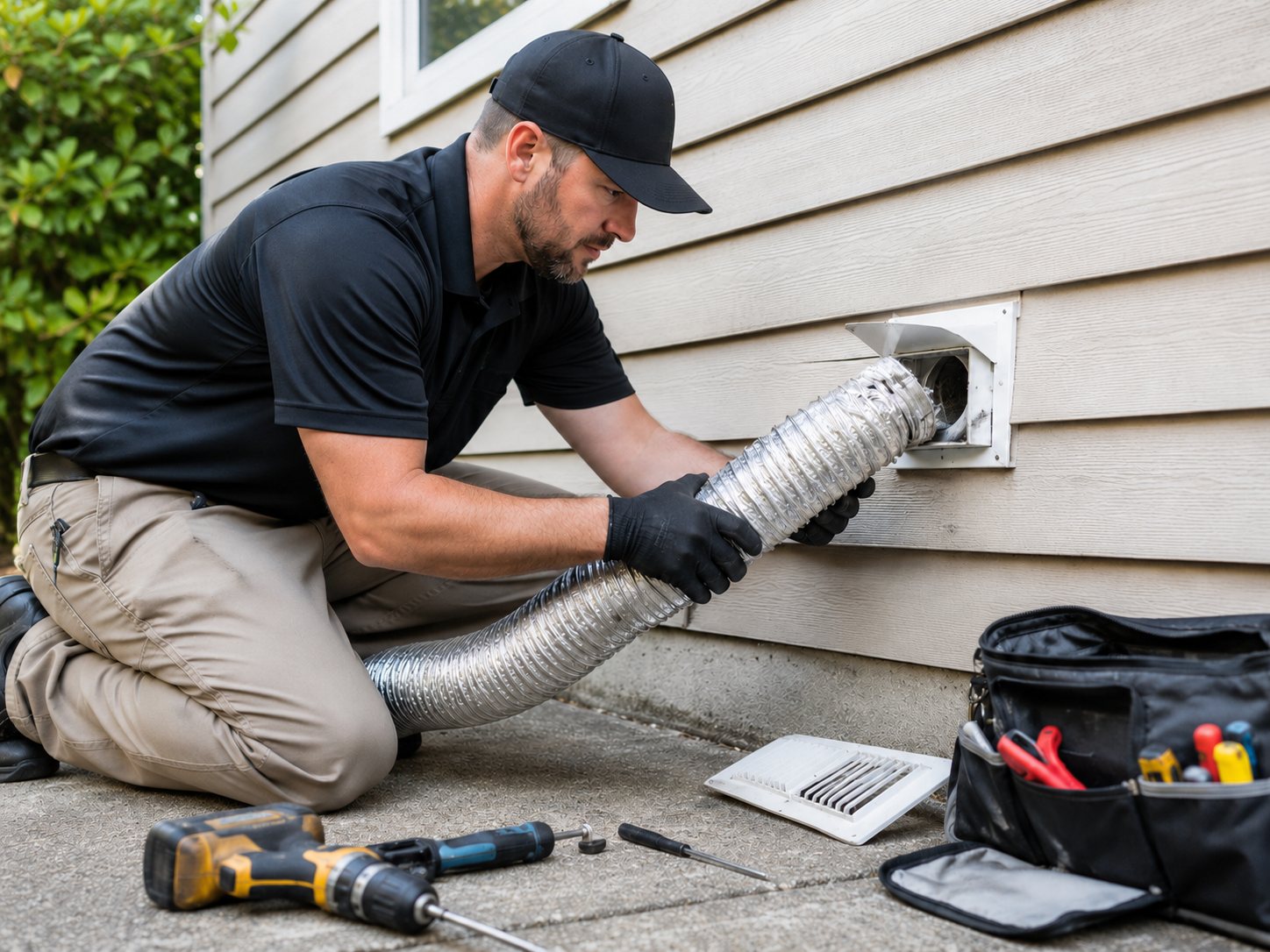
Dryer vent cleaning: a technician disconnects the dryer, runs a flexible rotating brush through the full duct from both ends, and uses compressed air on longer or more complex runs. The exterior termination cap is cleaned and confirmed to be opening freely during operation. The dryer is reconnected and operation is verified.
Tell us what you have noticed and request an estimate. Estimates are free.
How Often Each Needs Service
Chimneys: NFPA 211 recommends annual inspection for any chimney in use, with cleaning as the condition requires. Gas fireplaces still need their annual inspection even when there is little to clean.
Dryer vents: a yearly check of the whole duct is a sensible starting point for most households. Heavy use, long runs and runs with several bends fill faster and may need attention sooner.
Signs Either System Needs Attention
For the chimney: a smoky smell when the fireplace isn't in use, smoke backing into the living room during a fire, reduced draft, or more than a year since the last professional service.
For the dryer vent: clothes taking two or more full cycles to dry, the dryer feeling unusually hot during operation, a burning smell during a cycle, lint accumulating around the exterior vent cap, or the exterior flap not opening during operation.
When to Call a Professional
For the chimney, have it inspected every year and cleaned when its condition calls for it. For the dryer vent, a full-length cleaning reaches parts of a longer run that consumer brush kits cannot.
If both are due, doing them at the same time saves arranging two separate visits.
Request dryer vent cleaning or chimney cleaning — describe both in one request and we will tell you what we can cover.
Booking either one
They are different ducts carrying different things, but both fail the same way: something flammable accumulates until airflow drops.
The dryer duct run is covered on the dryer vent cleaning page. If the dryer takes two cycles to dry a normal load, that is a full blockage rather than general buildup — see clearing a clogged dryer vent. A duct that is crushed, disconnected or simply too long is not a cleaning job — see dryer vent repair. The flue side is chimney cleaning.
Sources & Further Reading
Service areas
Los Angeles and cities across the county, with the local conditions that affect chimneys there.
View all service areas →