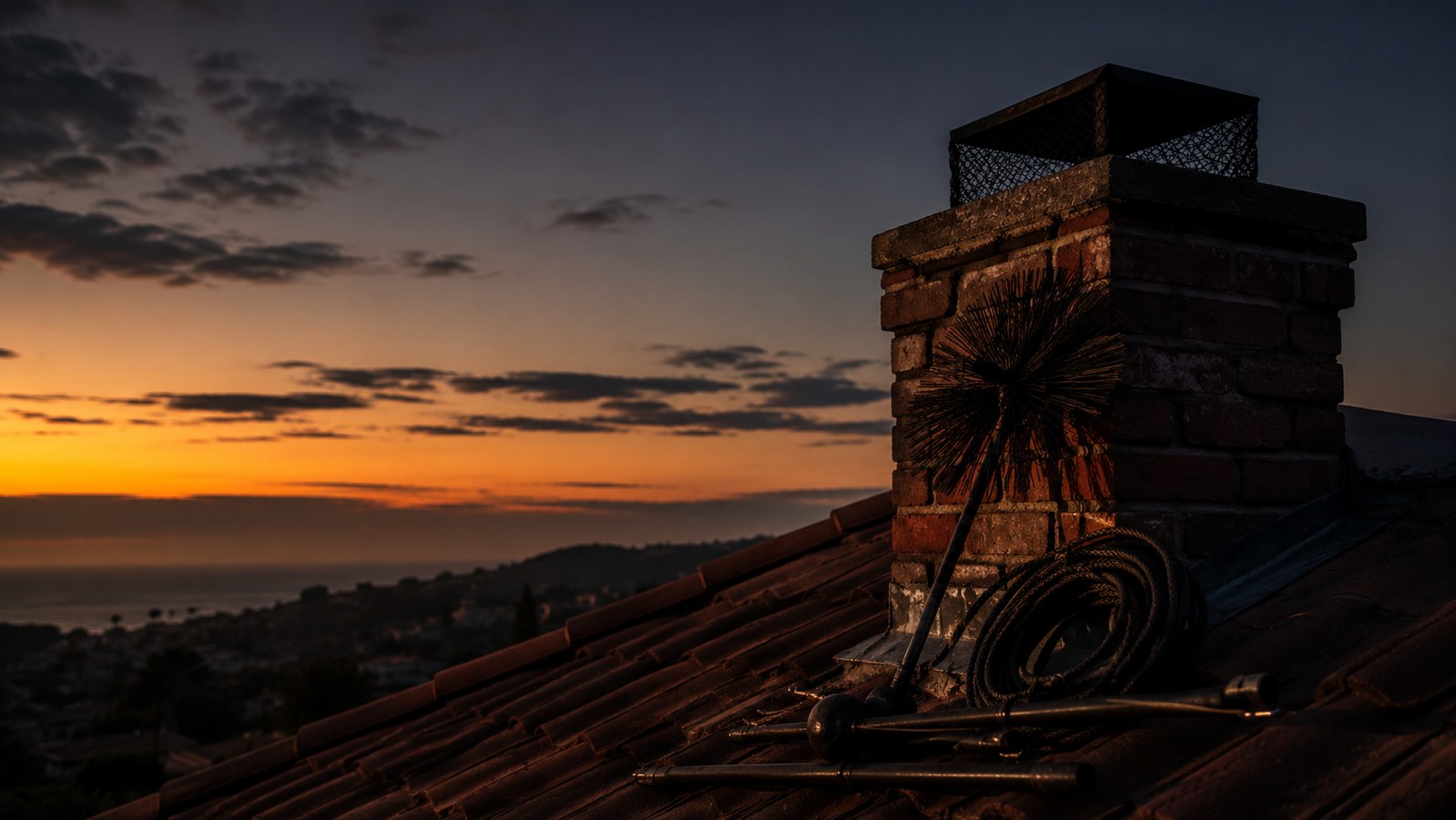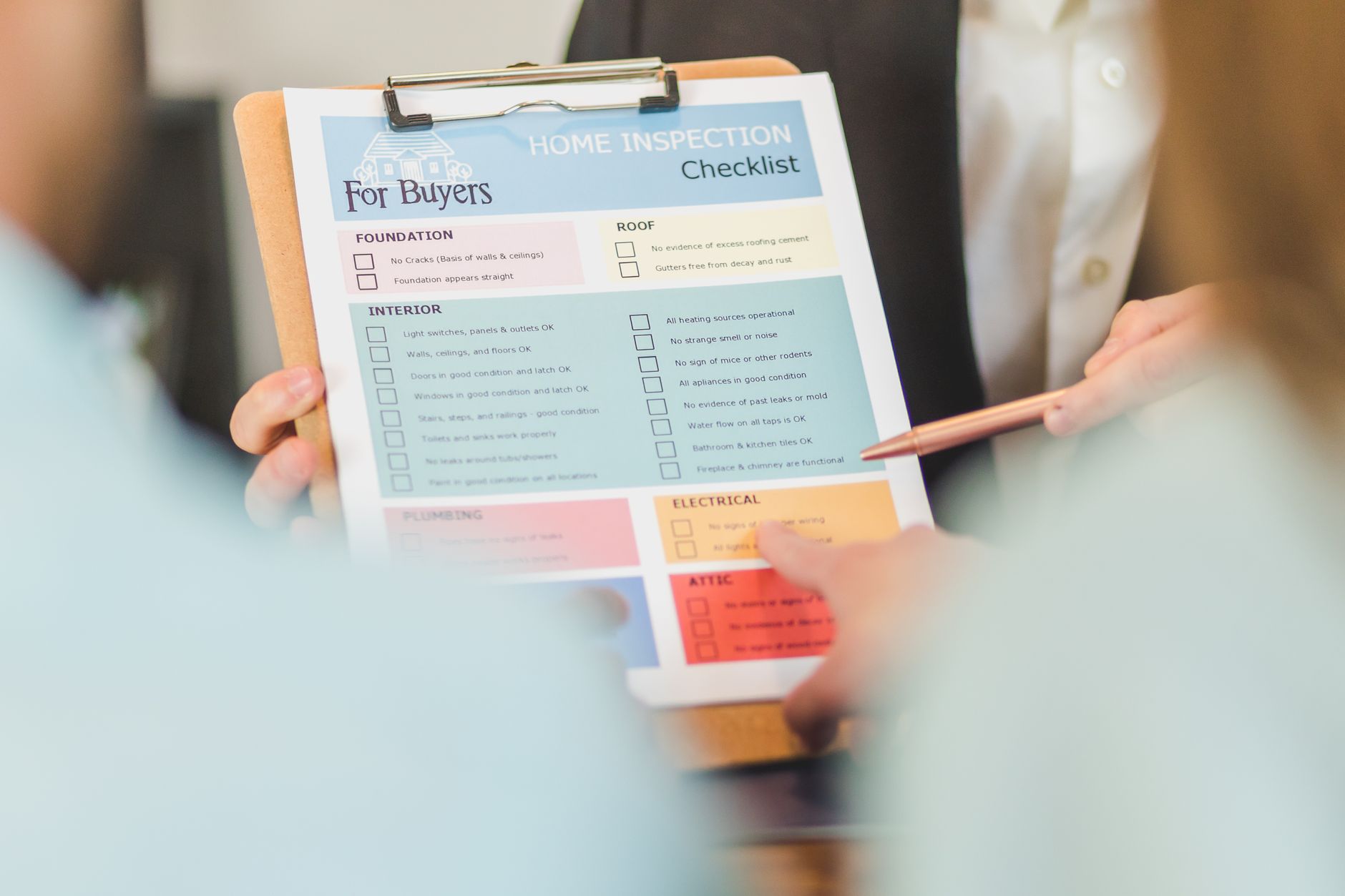
NFPA 211, the national standard for chimney construction and maintenance, associates a wider inspection scope with a change of ownership. Whether your particular transaction calls for one — and of what scope — is a question for your agent, lender or attorney. The reason the scope exists is straightforward: chimney problems that are invisible from inside the firebox can be serious if left unaddressed.
What the General Inspector Misses
A licensed general home inspector performs a visual assessment of the chimney — they look at the exterior masonry, check the firebox for obvious cracks, and note whether a cap is present. What they don't do is send a camera up the flue.
The flue is where the critical issues hide. Cracks in the clay tile liner allow combustion gases to migrate through the masonry into the wall framing. Collapsed tiles create obstructions. Evidence of past chimney fires — puffy, expanded creosote deposits and heat-cracked tiles — is visible only on video scan.
What a Level 2 Inspection Includes
Under NFPA 211, a Level 2 inspection covers everything in a Level 1 and adds accessible areas such as attics, crawl spaces and basements, together with examination of the internal surfaces of the flue. It is the scope commonly associated with a property changing hands, a change of appliance or fuel, or an event that may have damaged the chimney.
What any given provider includes at that scope, and what documentation you come away with, varies — as does what a lender or insurer will accept. Establish both with the provider and with whoever asked you for the inspection before booking.
A Level 2 inspection costs a fraction of what a cracked liner repair runs. Discovering the defect before closing — not after — is the entire point.
When to Call a Professional
Schedule a Level 2 inspection as part of your due diligence period — not as an afterthought. Most purchase contracts allow for inspection contingencies. If the chimney inspection reveals significant defects, you have leverage to negotiate before you're the legal owner of the problem.