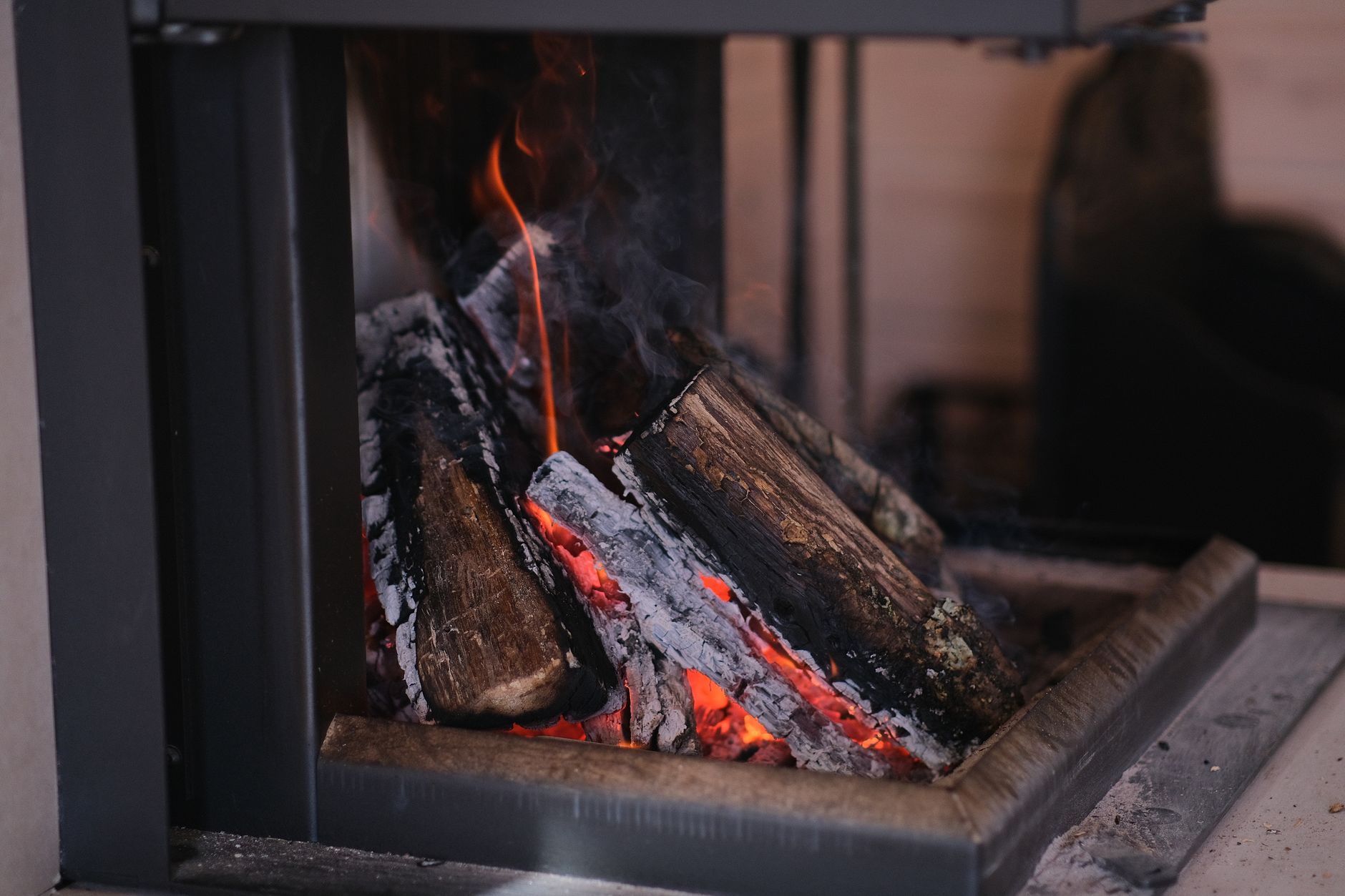
Yes, on most days. South Coast AQMD Rule 445 bans operating any wood-burning device on a no-burn day, and the no-burn season runs from November through the end of February. On any other day, an existing wood fireplace can be used.
The detail most people get wrong is who is exempt. An EPA-certified stove is not. A pellet stove is not. A gas fireplace is. And a house whose construction began on or after March 9, 2009 is not supposed to have a permanently installed wood-burning device at all.
What a no-burn day prohibits
Section (e) of Rule 445 says that on a no-burn day no wood-burning device may be operated. The rule was last amended on September 5, 2025, and the wording is short enough to read in full.
In practice, a no-burn day means no wood fire in any of these:
- An open masonry fireplace burning logs
- A factory-built wood-burning fireplace
- A wood stove or wood-burning fireplace insert, including one with an EPA certification label
- A pellet-fueled heater
Where the curtailment applies, and when
The program runs across South Coast AQMD's area, which takes in most of urban Los Angeles County; the alert map is searchable by address, so there is no need to guess from a city name. The season is November through the end of February, when cold, still nights hold smoke close to the ground.
The Check Before You Burn page lists areas where no-burn alerts do not apply: mountain communities above 3,000 feet, the Coachella Valley and the High Desert. If the house is in Lancaster, Palmdale or elsewhere in the Antelope Valley, confirm with the air district for that address rather than assuming either way.
Why gas fireplaces sit outside the rule
South Coast AQMD states it directly: a gaseous-fueled device, natural gas or propane, generates very small amounts of particulate matter compared with a wood-burning device, and is not subject to the residential no-burn alerts. The Check Before You Burn page repeats it: gas fireplaces are exempt.
A gas log set fitted into a wood-burning firebox falls on the gas side while it is burning gas. Putting a split log on top of it does not.
Being outside the curtailment does not make a gas fireplace maintenance-free. The vent still has to be clear and the connections sound. If you smell gas near the fireplace, leave the house and call the gas utility from outside.
Who is exempt from no-burn days
Exemptions in Rule 445 are about the property and the household, not the appliance. Owning a newer stove is not on the list. The curtailment exemptions in section (i) cover:
- Properties with no natural gas infrastructure within 150 feet of the property line
- Properties at 3,000 feet or more above sea level
- Homes where wood burning is the sole source of heat
Tell us what you have noticed and request an estimate. Estimates are free.
Houses built since March 9, 2009
Section (d)(1) says no wood-burning device may be permanently installed in a New Development, which the rule ties to construction begun on or after March 9, 2009. A house of that age will usually have a gas fireplace, an electric unit or no fireplace, not a wood-burning one.
This matters most to buyers. A newer house with a fireplace that looks as though it takes logs may be gas-only by design, and converting it to wood is generally not an option under the rule. If what you want is a real flame in a newer house, gas is the route the rule leaves open.
What can be installed in an existing home
Section (d)(2) limits what can be sold or permanently installed. Any wood-burning or gaseous-fueled device going in has to be one of four types:
- An EPA-certified wood-burning heater
- A pellet-fueled heater
- A masonry heater
- A dedicated gaseous-fueled fireplace
An open wood-burning fireplace is not on the list, so building a new one in an existing house is not a straightforward option. The rule also sets out exemptions that bear on this part: historic sites and contributing structures in a Historic Preservation Overlay Zone, a device included in the sale of an existing home, and replacement after a declared natural disaster. Read the exact scope in the PDF before planning around any of them.
Whether the installation also needs a permit is a separate question, and the local building department answers it: LADBS in the City of Los Angeles, LA County Public Works in unincorporated areas, or the incorporated city's own department.
How to check the day's status
South Coast AQMD gives three ways to find out whether a no-burn alert is in force:
- The interactive residential no-burn alert map, searchable by address or ZIP code
- Air Alerts by e-mail
- By phone at 866-966-3293
Legal to burn is not the same as safe to burn
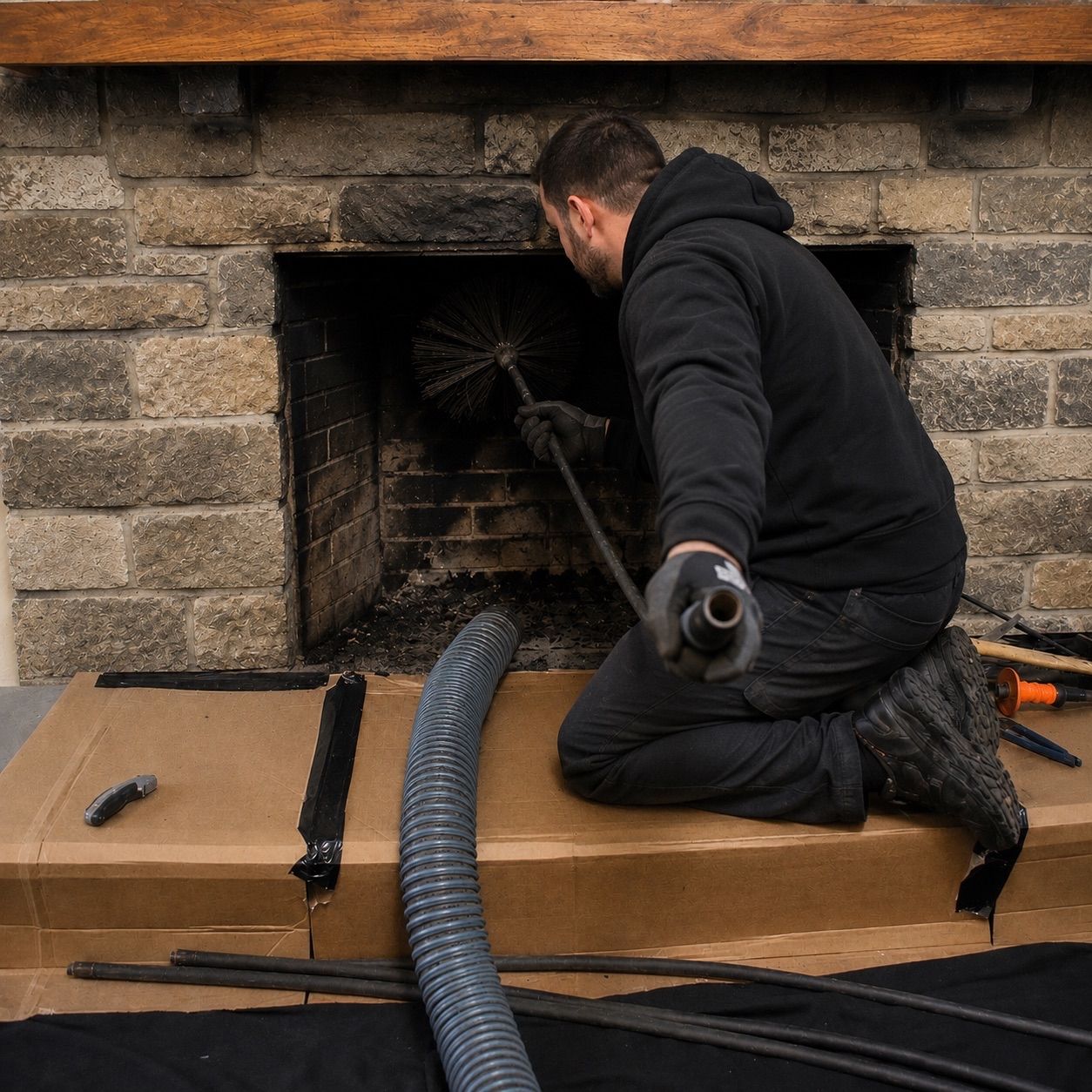
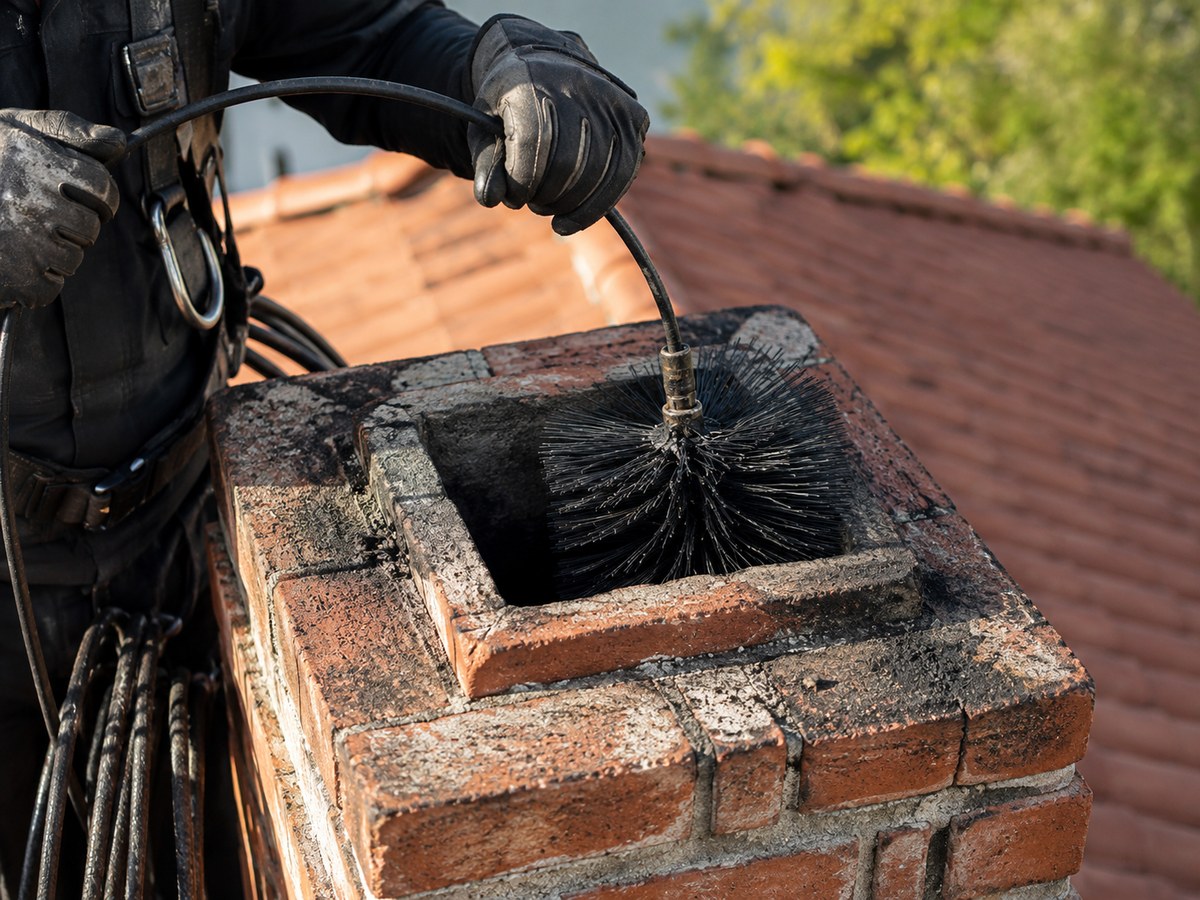
A permitted day says nothing about the condition of the chimney. Creosote, the tar-like residue wood smoke leaves on the flue walls, burns if it gets hot enough, and a flue that has been idle through a few no-burn seasons can hold a nest or debris nobody has noticed. USFA's advice is to have heating equipment and chimneys cleaned and inspected each year and to keep anything that can burn at least 3 feet from a fireplace or wood stove.
The opposite case is worth stating too. If the fireplace is gas-only, or the wood side has not been burned since it was last swept, there is no creosote for a sweep to remove, and paying for a creosote clean would be paying for nothing.
If a fire starts roaring in the flue or a carbon monoxide alarm sounds, get everyone out of the house and call 911.
Where to go from here
Rule 445 decides when a wood fire is allowed and what can be installed. The pages below cover the work that follows from it.
For a wood fireplace that is used in the permitted days, chimney cleaning and creosote removal sets out what a sweep clears. Stoves and inserts have their own flue connections, covered under wood stove cleaning. Converting an open hearth so it can be used on any day is gas fireplace installation. For a new unit of one of the permitted types, start with fireplace installation.
Sources & Further Reading
Service areas
Los Angeles and cities across the county, with the local conditions that affect chimneys there.
View all service areas →