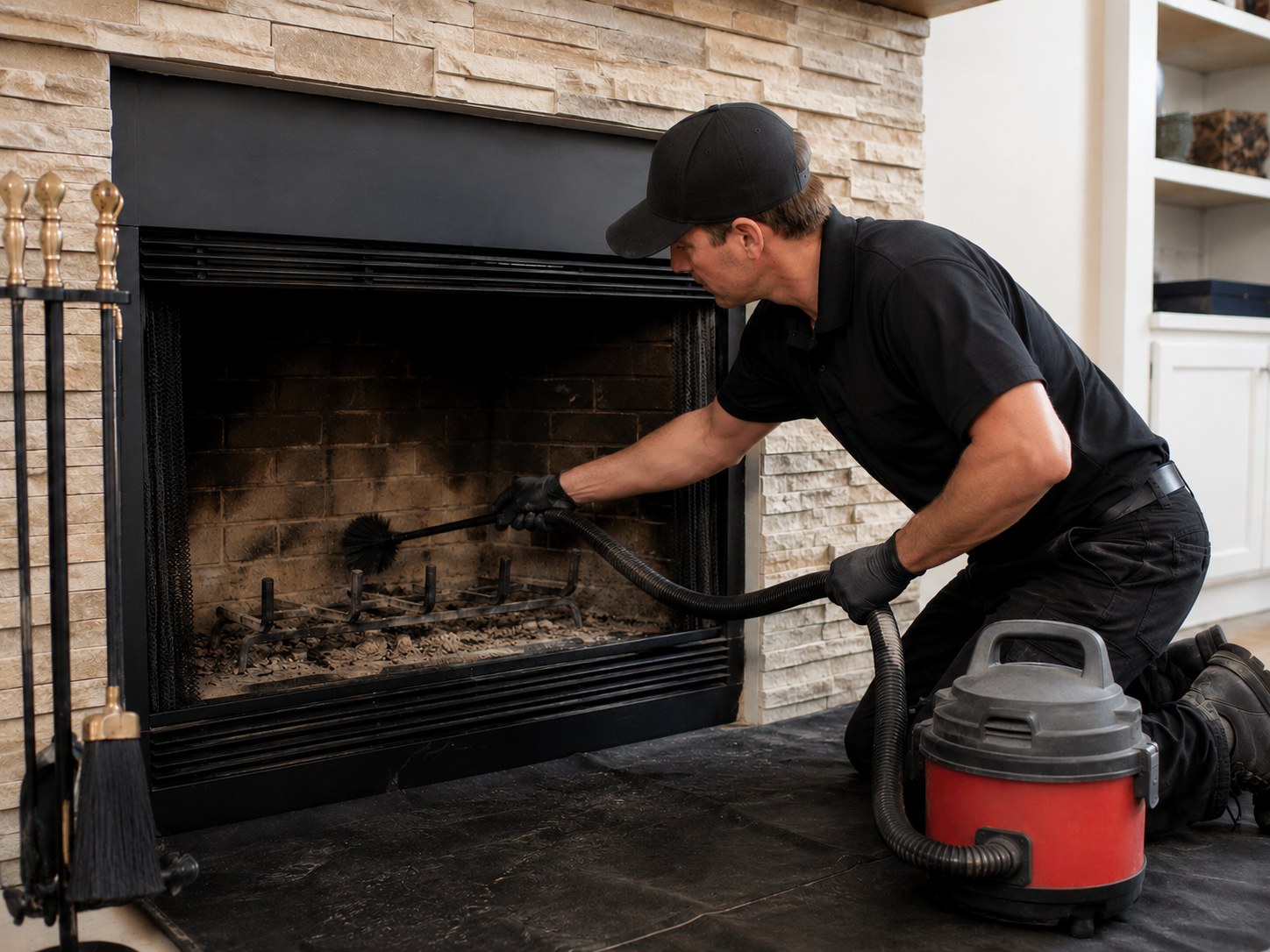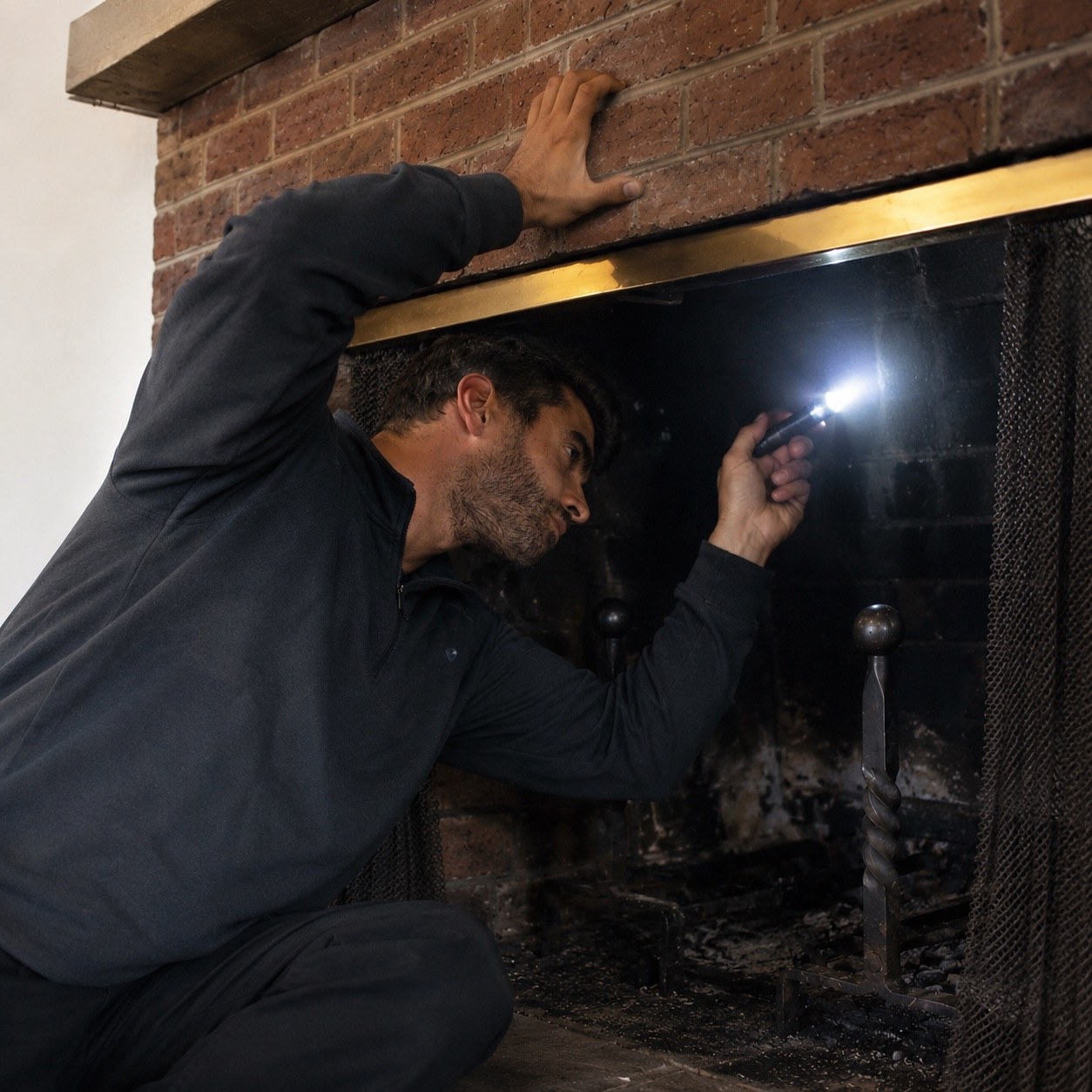
The cost of a chimney inspection in Los Angeles is set mainly by its scope, meaning which of the three NFPA 211 inspection levels the situation calls for, and then by how hard the system is to reach. This page lists those variables and does not give figures, because a quoted number means nothing until you know which scope it buys.
It is a companion to two other articles. The chimney cleaning cost article covers what moves the price of a sweep. The article on inspections when buying a home covers the purchase case in detail, so it gets only a short mention here.
Scope comes first: the three NFPA 211 levels
NFPA 211, the national standard for chimneys, fireplaces, vents and solid fuel-burning appliances, defines three levels of inspection. They are industry terminology, and they describe how far into the system an inspection reaches.
- Level 1: the readily accessible parts of the chimney, the appliance and the connection between them. In the CSIA's operating procedure, readily accessible means reachable without tools or ladders, and a video scan is not a mandatory part of this level.
- Level 2: everything in Level 1 and more, typically including accessible areas such as attics and crawl spaces and the internal surfaces of the flue, often viewed with a camera. Ask the provider exactly what their Level 2 covers.
- Level 3: used when a hidden hazard is suspected and the concealed parts can be reached only by opening up the structure or the chimney.
Situations that call for more than a routine look
The CSIA describes Level 1 as the recommended level for routine cleanings and annual inspections, where nothing about the system is changing. Once something does change, a fuller inspection starts to make sense.
- The house is being sold or bought. A general home inspection typically looks at the firebox and the outside of the chimney, not the full inside of the flue.
- There has been a chimney fire, or signs of one. The CSIA's Level 1 procedure says to recommend a Level 2 when there are indications of a chimney fire, and its after-a-fire guidance says the next step after sweeping is an internal video inspection.
- There has been an earthquake. The Earthquake Country Alliance advises staying away from brick chimneys and not using a fireplace with a damaged chimney.
- The appliance is changing: an insert going into a fireplace, wood converted to gas, or a new stove connected to an existing flue.
- A symptom has appeared that a look from the hearth cannot explain, such as smoke in the room, flakes of tile in the firebox, or a stain on the chimney breast.
Why the same level costs more on one house than another
Two inspections at the same level can still be priced differently. These are the variables that usually account for it.
- Number of flues and appliances. A chimney with a fireplace flue and a furnace or water heater flue is two inspections in one structure.
- Height above the roof and roof type. A steep pitch, a second storey, or a clay tile roof that cannot be walked on without care all add work at the roof end.
- Attic and crawl space access. At Level 2 these areas are commonly part of the scope, and a sealed or cramped attic slows the job.
- Flue condition. Heavy deposits have to come out before the liner can be seen, so sweeping may be part of the visit or a separate charge.
- Flue shape. Offsets and bends make a camera run harder and sometimes need more than one pass.
- Type of system. A factory-built fireplace needs its model identified so it can be checked against its listing; a gas appliance adds burner and venting checks.
- Site access. Hillside lots with long stairs, no roof access from the street, or a chimney reached only across a neighbour's side yard all change the practical scope.
Tell us what you have noticed and request an estimate. Estimates are free.
What an inspection fee does not cover
An inspection establishes condition. It does not include repairs, and it may not include sweeping. If a problem turns up, putting it right is a separate scope with its own estimate, and you are free to take that finding to someone else for a second opinion.
What you have in hand afterwards also varies between providers, from a verbal summary to a document with images. If a buyer, lender or insurer has asked for the inspection, find out from them what they need to see, then confirm the provider can produce it before you book.
Questions to ask before booking
These make two quotes comparable, and they tend to surface the difference between a thorough scope and a quick look sold under the same name.
- Which inspection level is this quote for, and why that level for this house?
- Are the internal surfaces of the flue included, and how will they be viewed?
- How many flues and appliances does the price cover?
- If the flue needs sweeping before it can be inspected, is that included or extra?
- Will the attic, crawl space and roof end of the chimney be looked at?
- What will I receive afterwards, and in what form?
- If a repair is recommended, will it be quoted separately so I can decide in my own time?
When a bigger inspection is the wrong purchase
If you use the fireplace the same way every year, nothing has happened to the house, and there are no symptoms, a routine annual inspection is what the standard asks for. NFPA 211 recommends inspecting chimneys, fireplaces and vents once a year. An annual inspection on a system that is not changing does not have to mean a camera survey every year.
Be wary of a routine visit that turns into a Level 2 on the day without a stated reason. A reason might be a sign of a past chimney fire, a crack seen from the firebox, or an appliance that was not there last time. If you cannot get a clear answer to what prompted the upgrade, you can decline and ask for the finding in writing first.
If something is wrong right now
Pricing can wait in three situations. If there is roaring from the chimney, flames at the flue outlet or a carbon monoxide alarm sounding, get everyone out and call 911. If you smell gas, leave the house and call the gas utility from outside. After a chimney fire, do not relight the fireplace until the flue has been inspected.
Booking the right scope
The quickest way to a sensible estimate is to say what kind of system you have and why you want it looked at.
How the levels apply to masonry and factory-built chimneys is set out on the chimney inspection page. For gas logs, inserts and the fireplace itself, see what a fireplace inspection looks at.
Sources & Further Reading
Service areas
Los Angeles and cities across the county, with the local conditions that affect chimneys there.
View all service areas →