Sometimes. Whether a homeowners policy pays for chimney repair turns on what caused the damage and what your policy says, and the two most common chimney problems, slow weathering and slow leaks, sit on the side most policies exclude. Earthquake damage is excluded from standard California homeowners policies altogether.
This is not insurance advice, and no article can tell you what your policy covers. What it can do is place chimney problems against the categories the California Department of Insurance describes, so the conversation with your insurer starts in the right place.
Sudden damage versus slow wear
CDI's residential insurance guide lists the perils a homeowners policy typically covers: fire, windstorm or hail, smoke, falling objects, and sudden and accidental water damage. The same guide lists typical exclusions: flood, earthquake, earth movement, water damage caused by seepage or leaks, mold, wear and tear or maintenance, and neglect.
Most chimney questions come down to that split. Something that happened on a particular day, from an identifiable cause, is at least in the conversation. Something that developed over years usually is not, and chimneys are built from materials that wear slowly by design. Mortar is meant to erode before the brick does.
Chimney damage that may fall on the covered side
Each of these maps onto a peril CDI lists as typically covered. None of them is a promise that a claim will be paid:
- A chimney fire that damages the flue, the chimney or the house around it (fire and smoke)
- A tree limb that falls on the stack and breaks the crown or knocks bricks loose (falling objects)
- A cap or chase cover torn away during a wind event (windstorm)
- A sudden water event that damages the interior, as distinct from a slow leak (sudden and accidental water damage)
Chimney damage that usually falls outside
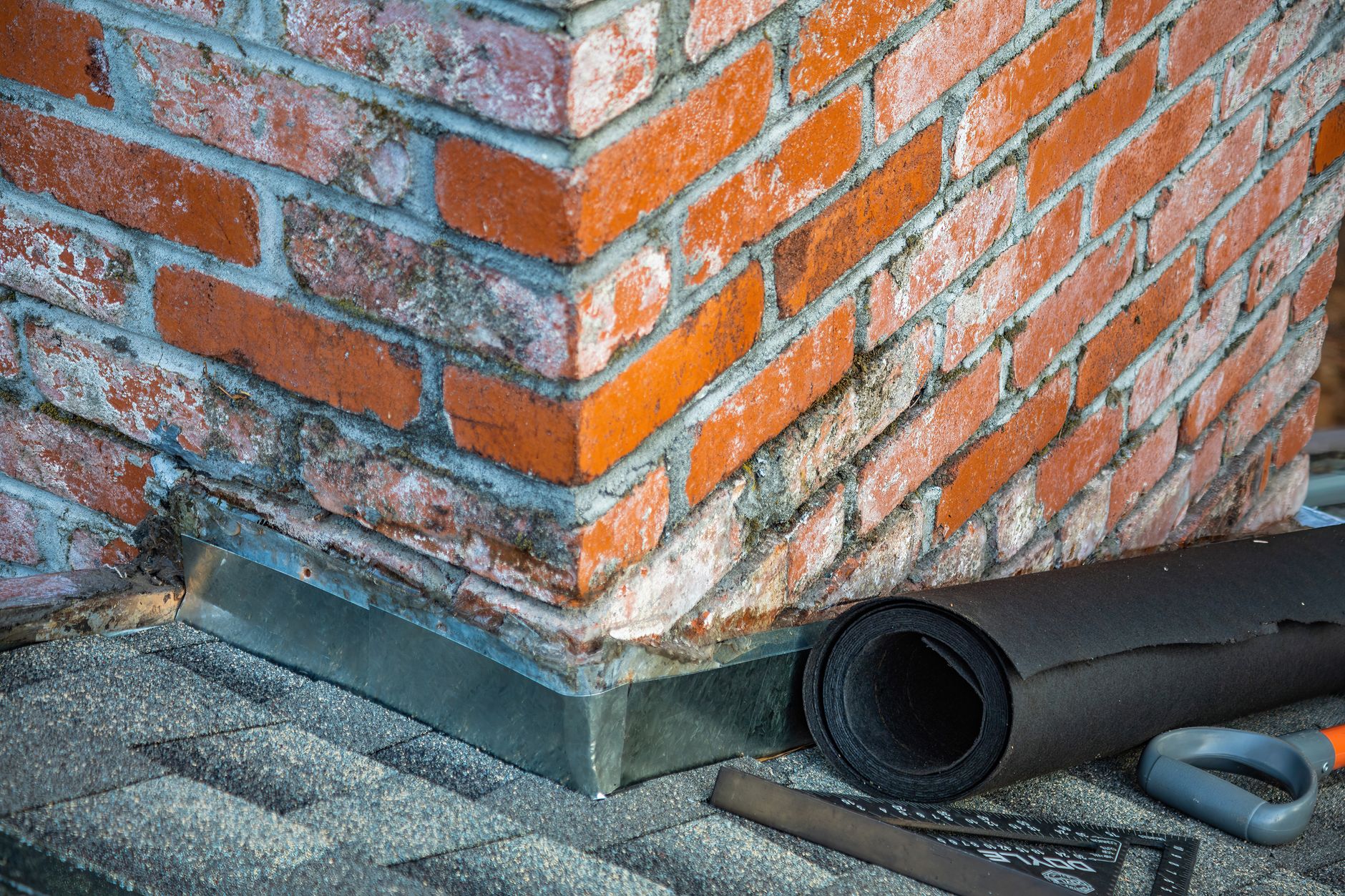
Most chimney repair is prompted by deterioration: mortar joints washing out, brick faces spalling (flaking off as water gets behind the surface), a crown cracking with age, a galvanized chase cover rusting through. Those are the textbook case of wear and tear or maintenance.
Leaks are the harder conversation. A chimney that lets water in usually does it a little at a time, through a hairline crack in the crown or flashing that has lifted at one corner, and water damage caused by seepage or leaks is on CDI's list of typical exclusions. Mold that follows a slow leak is on the list too.
Tell us what you have noticed and request an estimate. Estimates are free.
Earthquakes need a separate policy
CDI is direct about this: homeowners, renters and condominium policies do not cover damage from natural disasters such as earthquakes, floods and landslides. The California Earthquake Authority says the same thing about its own market: in most cases, earthquake damage to a home is not covered by a homeowners policy.
Earthquake cover is bought separately, and CDI notes that the CEA provides most earthquake insurance in California. Whether a particular earthquake policy pays for a chimney, and how its deductible applies, is set by that policy. Read it before the next shake rather than after.
One carve-out applies to every homeowners and renters policy in the state. California law says they must cover fire damage caused by or following an earthquake. A cracked flue that lets a fire reach the framing after a quake is the kind of case that rule exists for.
Before you contact the insurer
Safety comes before paperwork. If the chimney has been struck, has cracked through or is leaning, keep people away from it and do not light a fire until it has been looked at.
- Photograph the damage from the ground and from inside, and keep the files with their dates
- Write down when you first noticed the problem and what happened around that time: a storm, a fall, a fire, an earthquake
- Read the declarations page and the exclusions section of your policy
- Read the section describing what the policy expects of you after a loss, and ask the insurer what it needs before permanent repairs begin
What an inspection can and cannot settle
An inspection establishes what is wrong with the chimney and what is likely to have caused it. That is useful whether or not a claim is ever made, because the repair depends on it.
It is not a coverage decision. The insurer reads its own policy and reaches its own conclusion, and a finding that damage is old or gradual is as likely as a finding that it is sudden. Questions about a claim belong with the insurer, your agent or broker, or the California Department of Insurance; estimate requests on this site are about the chimney work itself.
When a claim is probably the wrong route
If the chimney is simply old, with soft mortar, weathered brick and a tired crown, a claim is asking the policy to pay for maintenance, which sits on CDI's list of typical exclusions. The same applies to a leak that has been staining the ceiling for several winters.
It is also worth comparing the likely repair against your deductible before starting anything. A cap replacement or a small flashing repair may cost less than the deductible, and knowing the scope first makes that comparison possible.
Getting the chimney itself looked at
Whatever the insurer decides, the repair follows from what is actually wrong. Tell us what you are seeing and the pages below set out the likely work.
Cracked mortar, loose bricks and crown damage are covered under chimney repair. Water in the firebox or a stain on the ceiling points to tracing and fixing a chimney leak. A stack that has moved, leaned or partly collapsed is a chimney rebuild question. If the cause is not obvious, begin with a chimney inspection.
Sources & Further Reading
Service areas
Los Angeles and cities across the county, with the local conditions that affect chimneys there.
View all service areas →