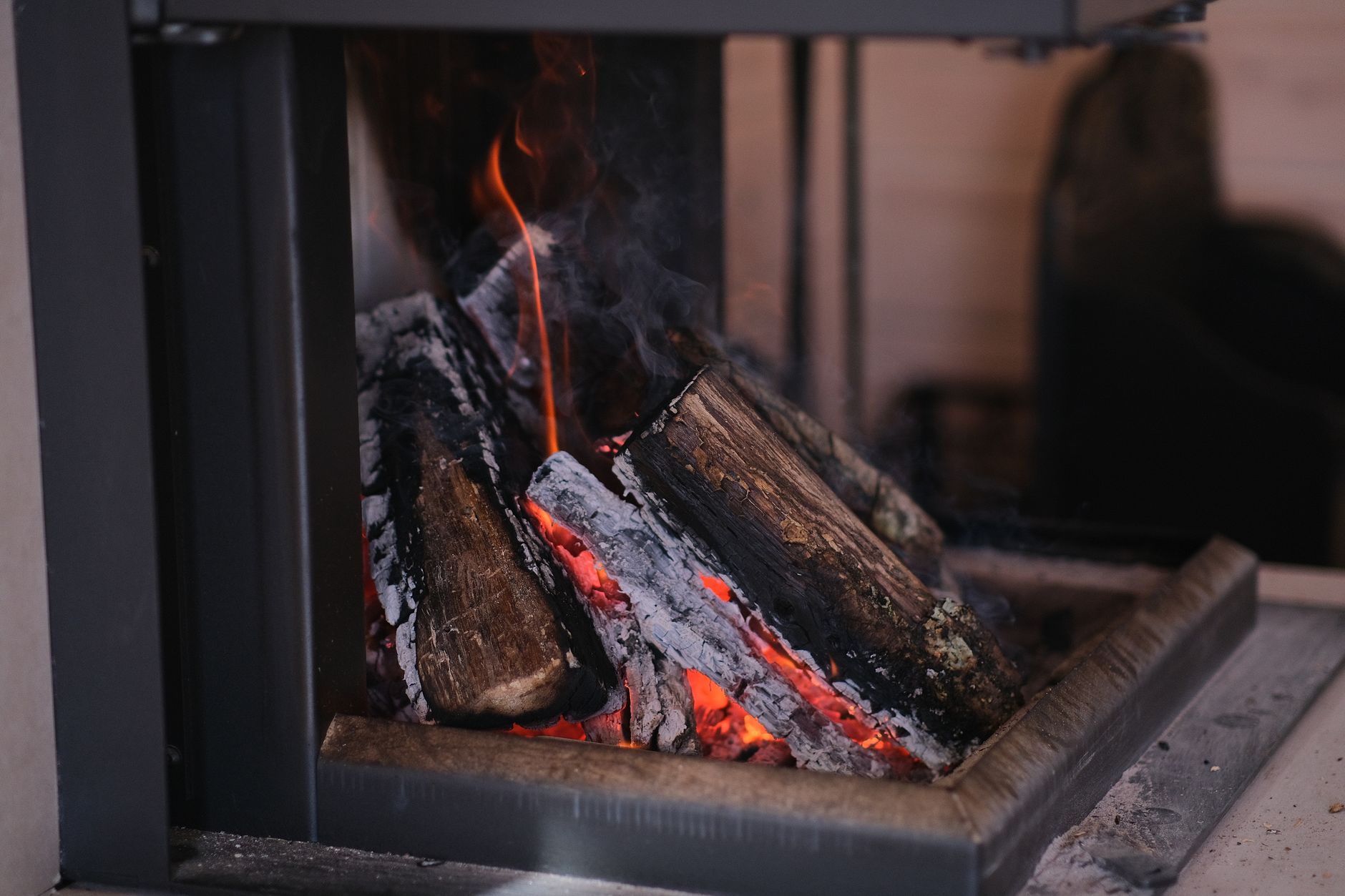
Firebox and damper faults in a masonry fireplace
Firebrick cracks with heat, and the joints between bricks open up over time. The repair uses refractory mortar made for firebox temperatures; ordinary mortar breaks down there. A missing brick exposes the masonry behind it to direct flame and should be replaced before the next fire.
Where a firebox was built shallow, as some early-20th-century fireboxes were, flame sits closer to the front and the lintel above the opening takes more heat. A cracked or sagging lintel is a repair in its own right.
Cast iron throat dampers rust and warp, especially after years unused. When one no longer closes, a top-sealing damper fitted at the top of the flue is a common replacement.
Refractory panels and parts in factory-built units
Refractory panels develop fine surface crazing as a matter of course. A crack that goes through a panel, or a panel with pieces missing so the metal behind shows, needs replacing.
The California Residential Code requires factory-built fireplaces to be listed, tested to UL 127 and installed according to their listing, which is why replacement parts should be the ones specified for that unit. An older unit with no readable label or discontinued parts can reach the point where replacement is the only sound option.
Tell us which kind of fireplace it is, what it is doing or not doing, and whether it burns wood or gas. Describe the problem and request an estimate.
Gas log sets and gas fireplaces that will not light
Most no-light problems trace to the pilot assembly: a dirty pilot, a worn thermocouple or thermopile, or a switch or wiring fault. Glass that has turned black on a sealed unit usually points to a burner or log placement problem.
A gas log set in a masonry firebox relies on the flue to carry combustion gases away, and its installation instructions set how the damper must be kept from closing fully.
If you smell gas near the fireplace, leave the house and call the gas utility from outside. If a carbon monoxide alarm sounds, get everyone out and call 911.
When repair turns into replacement under Rule 445
Under South Coast AQMD Rule 445, a permanently installed device that is sold or installed must be an EPA-certified wood heater, a pellet heater, a masonry heater or a dedicated gas fireplace. A new development, meaning construction begun on or after March 9, 2009, may not have a permanently installed wood-burning device.
Gas-fuelled devices are not subject to no-burn alerts; EPA-certified and pellet wood devices are. Any permit question for a replacement is decided by the City of Pasadena's building department.
What changes a fireplace repair estimate
Type of fireplace comes first. After that: how much firebrick is involved, whether the lintel is sound, whether the damper can be repaired or needs replacing, whether listed parts still exist for a factory-built unit, and how long a gas fault takes to diagnose.