Rusted and stuck cast-iron dampers
The throat damper in an older fireplace is a cast-iron plate on a pivot, worked by a handle or a rotary control. Rust, soot and warping stop it closing fully, and a damper stuck partway lets heated air escape in winter and, through a hot inland summer, lets cooled air out while the air conditioning runs.
A damper that will not open is the more urgent fault, because a fire under a closed plate fills the room with smoke. Repair can mean freeing and adjusting the plate or replacing the handle. Where the frame is too far gone, a top-sealing damper fitted at the chimney outlet takes over its job.
Cracked hearths and the clearance in front of the fire
The hearth extension, the non-combustible floor in front of the opening, catches sparks and rolling logs. A crack through it, or tiles that have lifted, can let heat and embers reach the subfloor.
The US Fire Administration advises keeping anything that can burn at least 3 feet from a fireplace. A rug that has crept onto a cracked hearth is the combination to avoid.
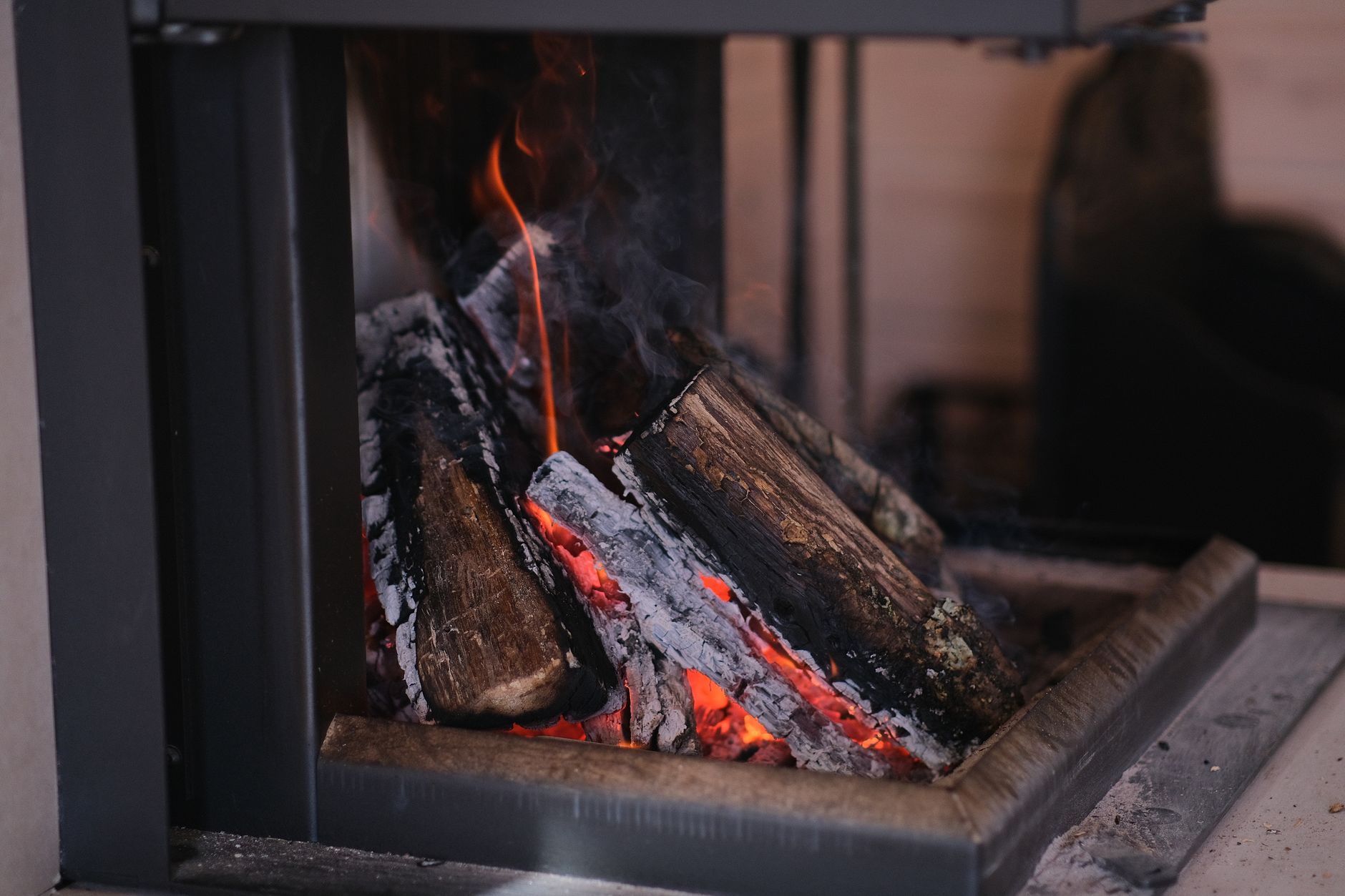
Describe what the inside of the firebox looks like, and say whether it burns wood or has gas logs. Describe the problem and request an estimate.
Gas logs set into an older brick firebox
Where gas logs have been added to a brick fireplace, the supply line usually enters through the side of the firebox, and the firebrick around that entry is worth checking for cracks and loose mortar. The valve key outside the fireplace should turn freely and shut off completely.
Vented log sets usually call for the damper to be fixed open whenever they run, which is one more reason a rusted, stiff damper matters.
If you smell gas, leave the house and call the gas utility from outside before anything else.
When the fireplace turns out to be factory-built
The questions change on a prefab unit. They become whether the part is still made, and whether the replacement keeps the unit within the UL 127 listing it was tested under. Firebrick techniques do not carry over.
Cost drivers for firebox and damper work
The extent of the damage matters more than the type of fireplace.
- 1A few bricks and joints, or a full reline.
- 2Freeing an existing damper, or fitting a top-sealing damper at the chimney outlet.
- 3Hearth repair and matching the existing tile or stone.
- 4Gas line and valve work, where logs are fitted.
- 5Roof access, if a top-sealing damper is the answer.