What the sweep does, in order
The order is designed so that soot goes into a vacuum rather than into the house.
- 1Drop cloths go down from the door to the hearth.
- 2The fireplace opening is sealed and a vacuum runs behind the seal.
- 3The flue is brushed, from the firebox with rods or from the roof, depending on access.
- 4The smoke shelf and smoke chamber are cleared by hand.
- 5The damper is opened and closed to check it seats.
- 6The firebox and the reachable parts of the flue are looked over, which is what CSIA calls a Level 1 inspection.
Clay tile roofs, steep pitches and sweeping from below
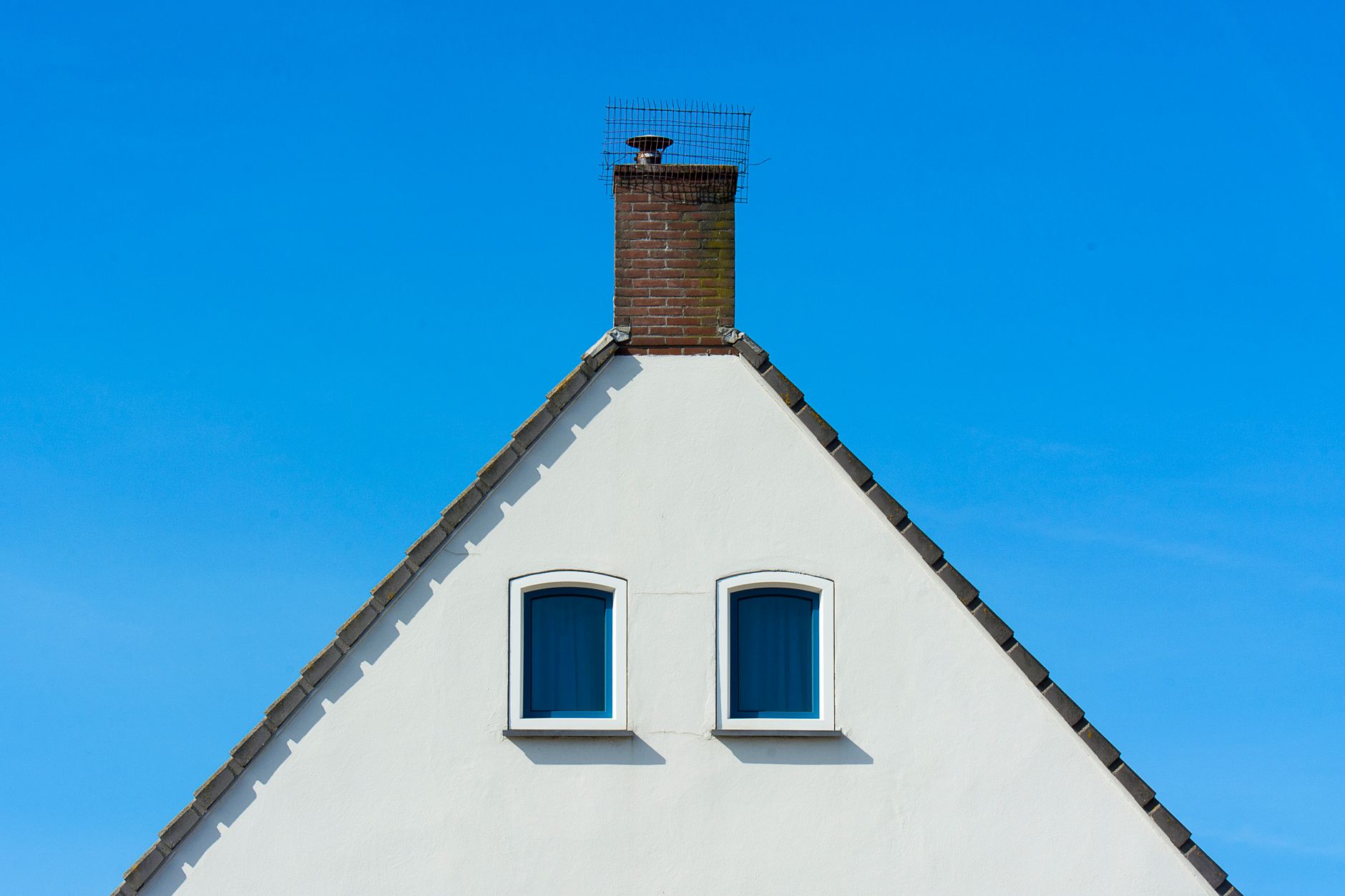
Where a Pasadena house has a clay tile or slate roof, walking on it risks cracking units that may be hard to match. In that case the flue is often swept from the firebox with jointed rods, and the cap and crown are checked from a ladder where they can be seen safely.
On a two-storey house with a steep pitch, roof access needs more setting up regardless of the covering. Neither method is better in itself; what matters is that the whole flue gets brushed and the top gets looked at.
Tell us how many storeys the house has, what the roof is covered with, and when the flue was last swept. Estimates cost nothing — describe the job and we will come back to you.
Protecting original tile and built-ins around the hearth
Where the fireplace has an original art tile surround, or built-in bookcases or benches beside it, those are the surfaces most at risk on the day. Fine soot drifts toward them if the seal leaks, and ordinary tape can lift old glaze when it is peeled away.
It is reasonable to point these out at the start and ask how the opening will be sealed without adhesive on fragile surfaces. A sweep who sees an unusual surround will want to know before the plastic goes up.
Questions to ask before the sweep leaves
Ask how much deposit came out and what kind: dry soot, flaky creosote or anything glazed. Ask whether the damper closes fully, whether a cap and spark arrester are fitted, and whether anything was seen that falls outside what a Level 1 covers.
The California Residential Code requires an approved spark arrester on chimneys serving solid-fuel fireplaces, so a missing one is worth noting. If something needs a closer look, that is a separate booking with a camera, not an extension of the sweep.
When to book, and what changes the cost
Late summer or early autumn is the sensible window, before the South Coast AQMD wood-burning season opens in November. The cost moves with roof access and height, the number of flues, how much deposit there is, and whether a fixed cap has to come off.