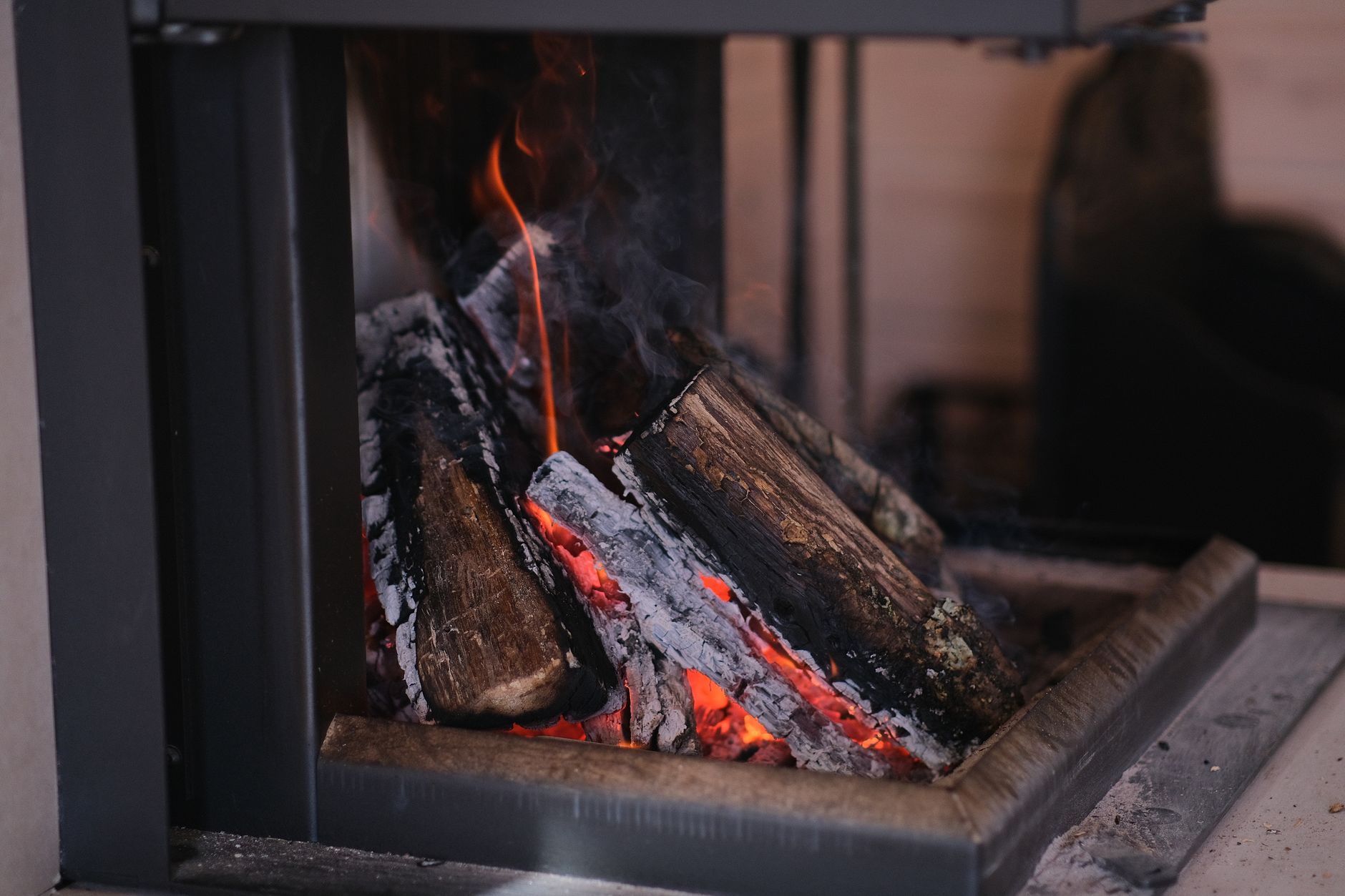
Firebrick, hearths and tile surrounds in older Glendale homes
Where a Glendale house dates from the 1920s or 1930s, the fireplace may have its original firebrick and a decorative tile surround. Firebrick fails at the joints first; once the refractory mortar has gone, heat can reach the masonry behind it.
Surround tiles crack from heat cycling and from shaking, and the hearth extension can settle away from the firebox. A gap there lets embers and heat reach the floor framing, so it is repaired rather than left.
Replacement tile for a period surround may take time to source. Say if keeping the original matters to you before any work is planned.
Dampers that stick, rust or never close
A throat damper sits just above the firebox and rusts when rain comes down an uncapped flue. A rusted plate either seizes open, which loses heat all winter, or seizes shut, which is dangerous the first time someone lights a fire.
Where the original damper cannot be freed or no longer seals, a top-mounted damper at the flue outlet is a common replacement, and it also keeps rain and animals out.
Tell us whether the fireplace burns wood or gas, and what you see: cracks, a stuck damper, or a burner that will not stay lit. Send the details of the issue and request an estimate for the specific work.
Gas fireplaces that will not light or burn wrong
A pilot that lights and then goes out often points to a worn thermocouple or thermopile. Yellow, sooty flames or black glass usually mean the logs are out of position or the air supply is wrong.
If you smell gas, do not try to relight anything: leave the house and call the gas utility from outside. If a CO alarm sounds, get everyone out and call 911. The US Fire Administration advises CO alarms on every level of the home and outside each sleeping area.
What shapes a fireplace repair estimate in Glendale
The type of fireplace comes first, since factory-built parts are specific to the model and masonry repairs are labor-led. After that, it depends on whether parts for an older unit are still available, whether the tile surround has to be removed and matched, and whether the problem in the firebox is actually coming from the chimney above.