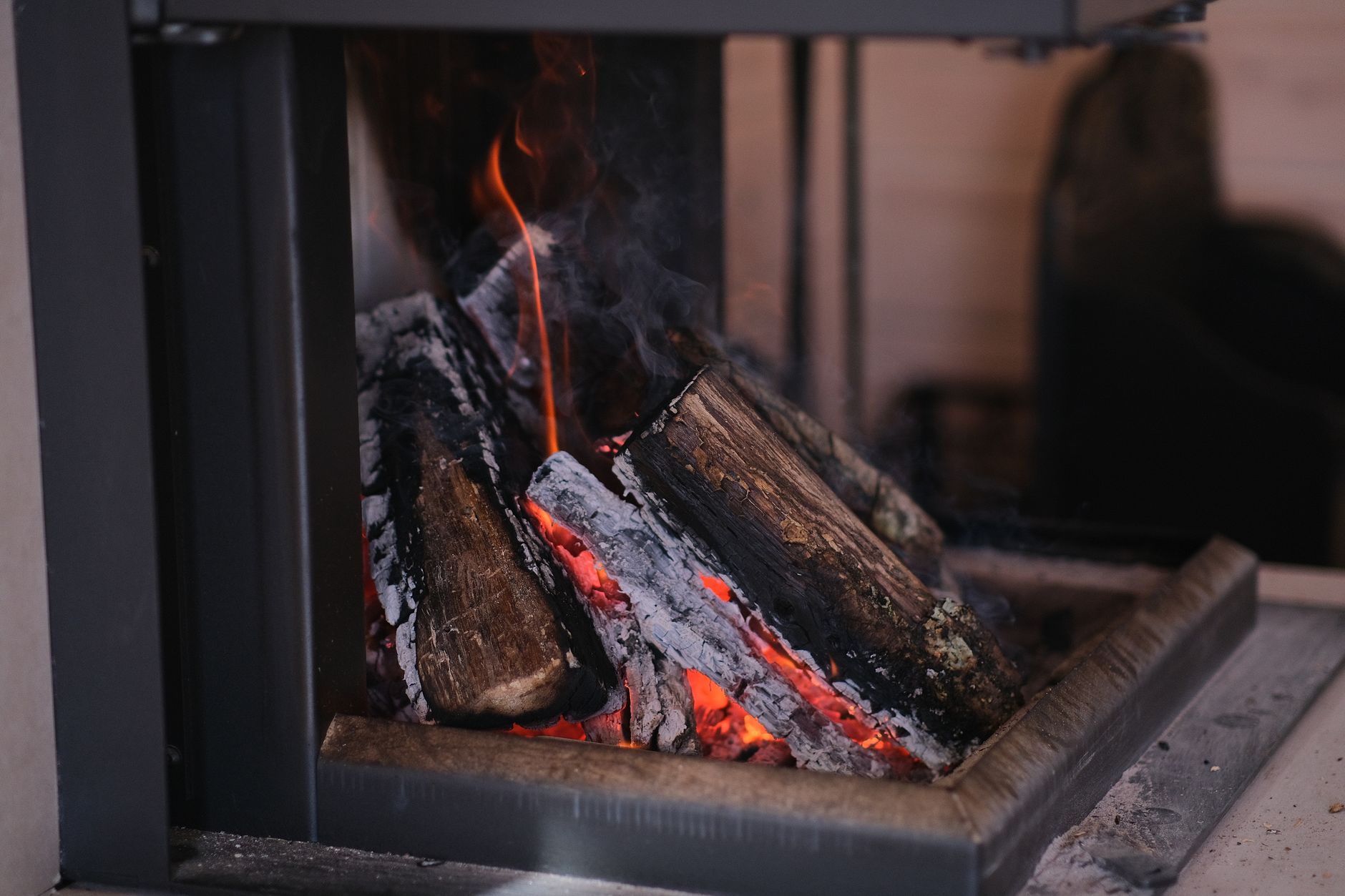
When the house runs on propane instead of piped gas
Where a Malibu property has no natural gas service and uses a propane tank, the fireplace valve and burner orifice must be set up for propane. A unit converted between fuels without the correct kit burns badly, sooting the glass and logs and producing more carbon monoxide.
If the flame has turned tall, lazy and yellow, or the glass blackens within a few fires, fuel setup is one of the first things checked. Working CO alarms outside sleeping areas and on every level of the house matter more in a house with gas appliances; if one sounds, get everyone out and call 911.
Outdoor fireplaces on decks and patios
Outdoor fireplaces and fire features take the full force of the weather. Burner pans rust, ignition wiring corrodes, and lava rock or glass media holds water that sits on the burner. On a gas unit, ports blocked by rust or debris produce uneven, lifting flames.
Repairs here often mean replacing the burner or ignition components with parts rated for outdoor use. A unit built into masonry is also checked for cracks where water can reach the gas line or the firebox.
Tell us whether the fireplace burns wood, natural gas or propane, whether it is indoors or outdoors, and what happens when you try to light it. Send the details of the issue and request an estimate for the specific work.
Firebrick, refractory panels and dampers in wood-burning units
In a masonry fireplace, the firebox is lined with firebrick set in refractory mortar. Joints that have opened or bricks that have cracked through let heat reach the structure behind them, and those are repaired or replaced before the next fire. Fine surface crazing is normal wear.
Factory-built fireplaces use refractory panels instead, and the California Residential Code requires them to be installed according to their listing, so panels are replaced with parts made for that model. Rusted damper plates, common near the ocean, stop sealing and let damp air and odours into the room.
What changes a Malibu fireplace repair estimate
Diagnosis narrows the cost more than anything else, because the same symptom can come from a cheap part or an expensive one.
- 1Which component has failed, and whether parts are still made for that model.
- 2Whether the unit is indoor or outdoor, and whether the parts must be rated for weather.
- 3Fuel: natural gas or propane, and whether the setup matches the fuel.
- 4For wood units, how many firebricks or panels are affected and whether the damper can be repaired or needs replacing.
- 5Access to the valve and wiring, which on some built-in units sits behind finished stone or tile.