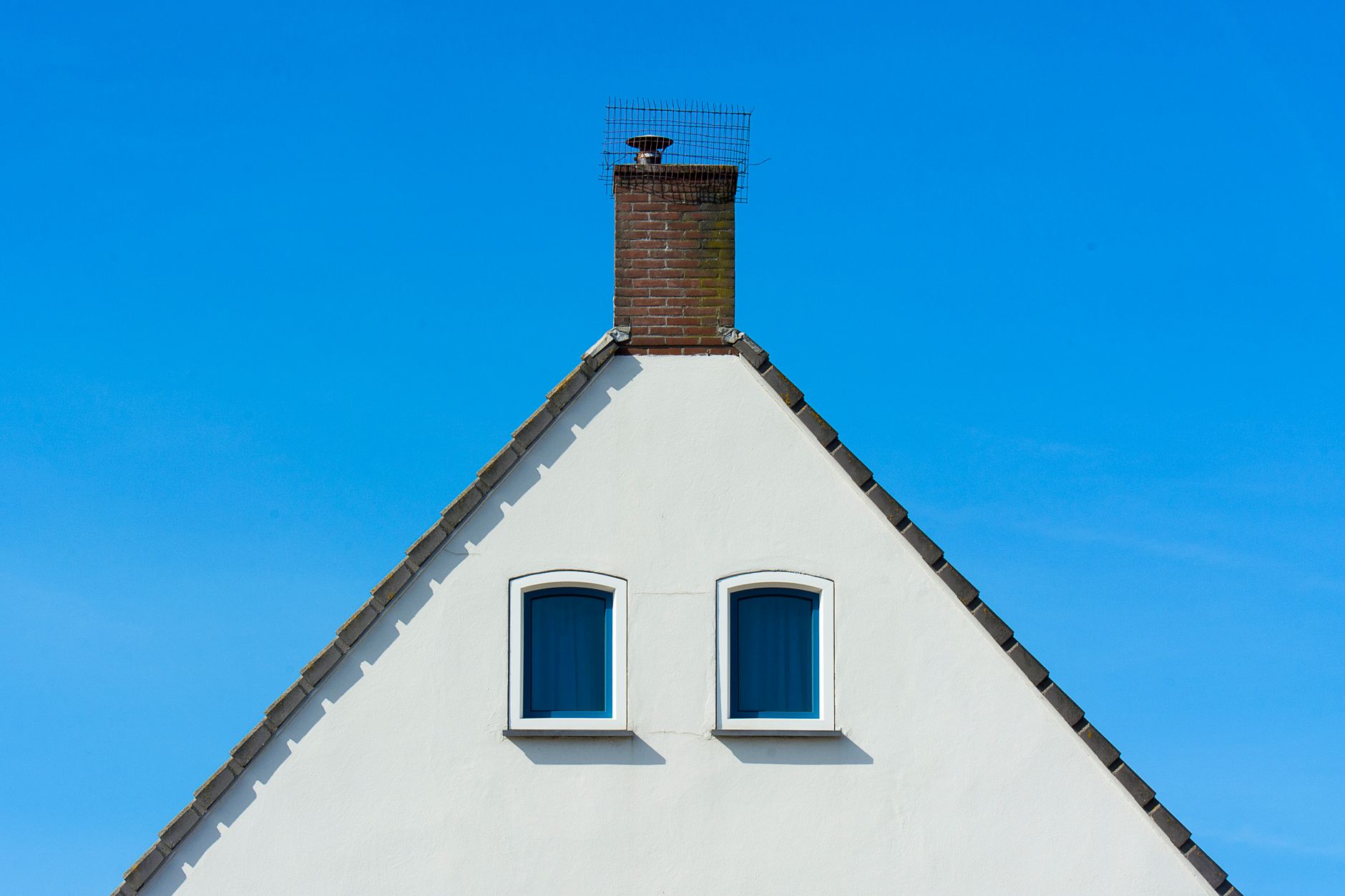
Near the water or further inland: what the chimney top shows
Long Beach stretches from the shoreline to neighborhoods well inland, and the chimney top tends to reflect which end the house sits at. Close to the water, salt-bearing air works on steel, so a sweep there often finds rust at the cap screws, mesh that crumbles when touched, or a damper plate crusted with scale.
Further from the shore, corrosion is usually slower, and the common finds are the ordinary ones: soot on the smoke shelf, leaves from nearby trees, and the odd nest in an uncapped flue. Neither pattern is a rule, only a reason to look rather than assume.
Tell us whether the fireplace is in a house or a shared building, and roughly how close the house is to the water. Call or send the details, and ask for an estimate for the work.
Booking around the no-burn season
The South Coast AQMD's wood-burning curtailment season runs from November through the end of February. Under Rule 445, no wood-burning device may be operated on a declared no-burn day, and EPA-certified and pellet devices are not exempt; gas fireplaces fall outside the alerts.
That makes early autumn the sensible time to have a wood-burning chimney swept in Long Beach, before the season opens and before the first cold evening sends everyone to the fireplace on the same weekend. NFPA 211 recommends annual inspection, with cleaning as the flue's condition requires, so a lightly used fireplace may not need sweeping every year.
What moves the price of a sweep in Long Beach
The chimney decides the price more than the ZIP code does. The same variables come up every time:
- 1How the roof is reached, and whether a building manager or association has to arrange it.
- 2Roof height, pitch and covering; tile and shake slow the work down.
- 3How much has built up, and whether any of it is glazed creosote that brushing will not shift.
- 4Whether the cap comes off cleanly or its fixings have rusted in place.
- 5Anything the visit turns up that needs repair rather than cleaning.