Why the smoke shelf fills up on a lightly used fireplace
The smoke shelf is the flat ledge behind the damper. Soot falling from the flue lands there, along with crumbs of mortar, leaves and nesting material. Regular fires keep some of it moving; on a fireplace lit a handful of times a year, it simply accumulates.
A loaded shelf narrows the throat of the chimney and makes a fire smoke as it starts. It also holds damp debris against the masonry. Clearing it is part of the sweep, and what is found there says a good deal about what has been getting in at the top.
Idle flues, nests and the first fire of winter
CSIA points out that annual inspection still matters for a chimney that is rarely used, because animals may build nests in the flue. A flue left alone through spring and summer is an inviting space, and a nest in the throat becomes fuel once a fire is lit beneath it.
A sweep clears nesting material that has been abandoned. If birds are still nesting, or an animal is living in the chimney, removal comes first. Nesting birds are protected under the Migratory Bird Treaty Act, so the timing of that removal matters.
Mention whether there is a small metal door in the firebox floor, and when the fireplace was last lit. Call or send the details, and ask for an estimate for the work.
Low roofs and brushing from the top
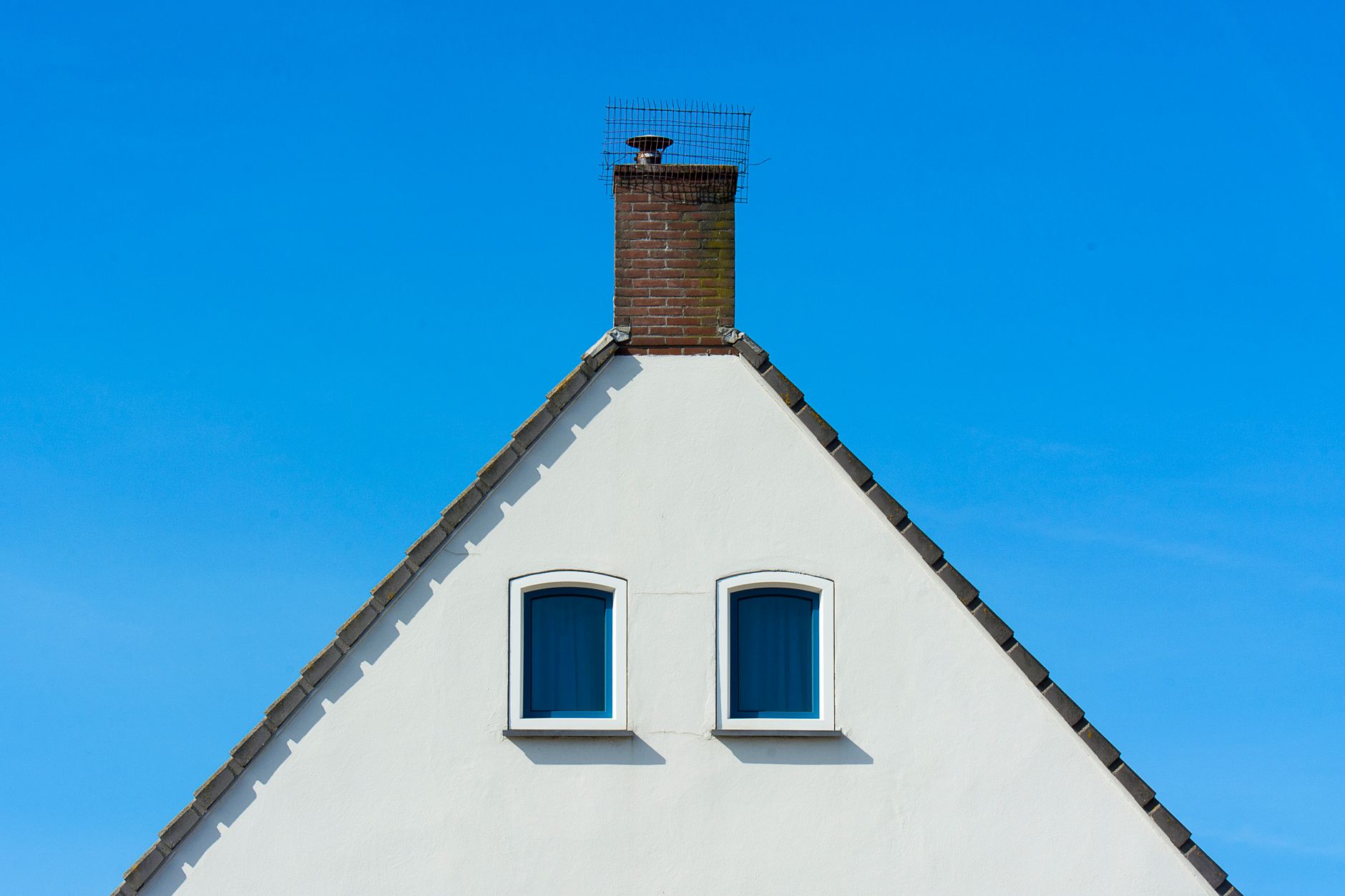
Where the house is single-storey with a moderate roof pitch, the chimney top can often be reached safely and the flue is brushed from the top down. That puts the crown surface and the edges of the flue tile in view while the brushing is done.
A second storey, a steep pitch or a fragile roof covering changes the plan. Some flues are then brushed from below, with the top looked at separately where it can be reached.
When to book in Carson, and what shapes the estimate
Late summer or early autumn clears the flue before the South Coast AQMD's curtailment season, which runs from November through the end of February. On a declared no-burn day a wood fire is off the table however clean the chimney is.
The estimate depends on:
- 1Whether the ash pit is included, and how full it is.
- 2How much debris or nesting material sits on the smoke shelf.
- 3Roof height, pitch and covering.
- 4The stage of creosote, and whether any of it has glazed hard.
- 5Anything the sweep turns up that needs a repair.