Los Angeles County Service Areas · Chimney & fireplace services · Estimate requests online
Chimney Animal Screen Installation in Los Angeles
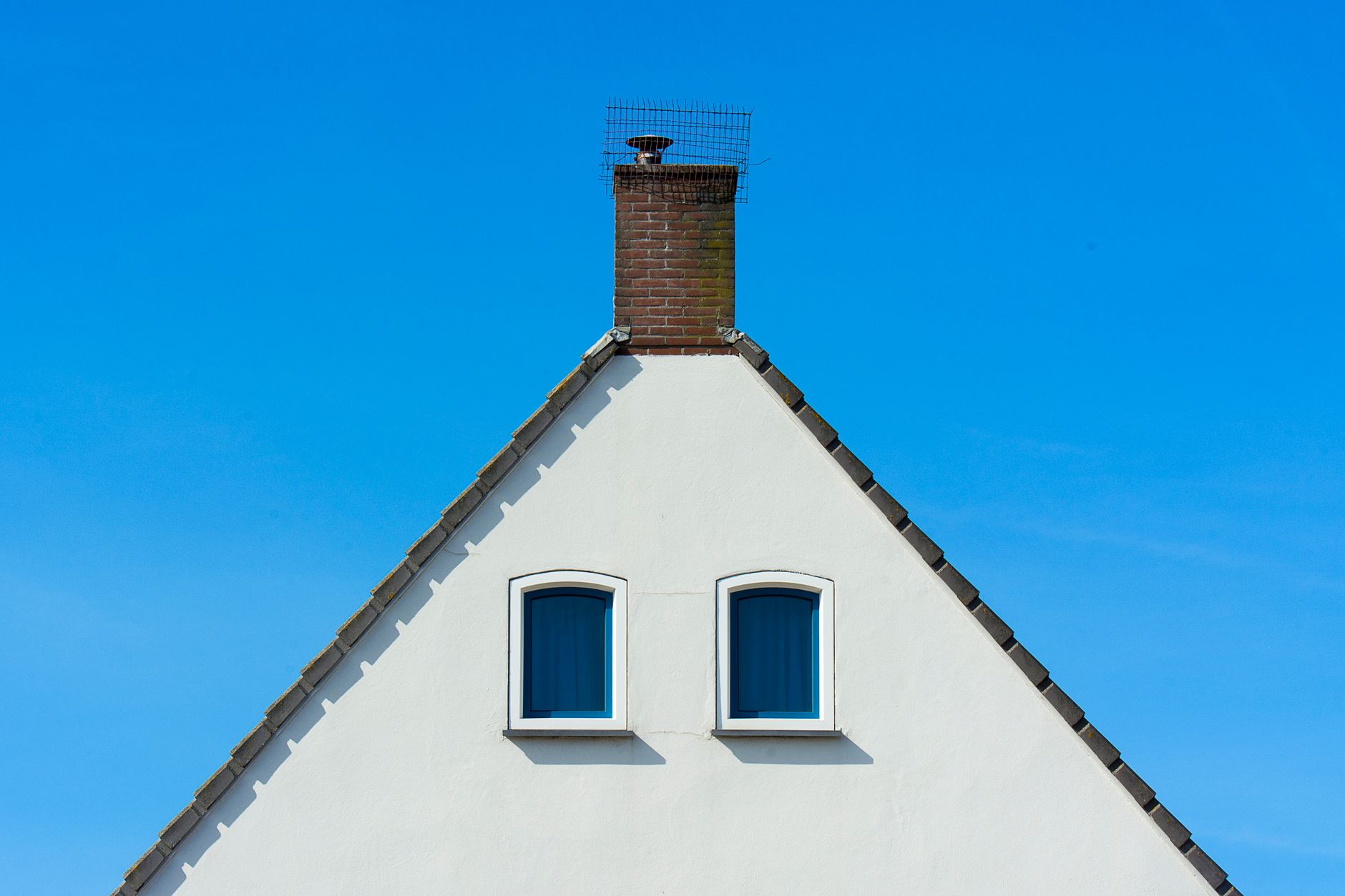
A chimney animal screen is mesh fixed over the top of the flue so birds, squirrels and raccoons cannot get in. It is prevention: it goes on once the flue is confirmed empty, never over an animal that is still inside.
- Chimney & Fireplace ServiceCleaning, inspection & repair
- Los Angeles Service AreasCities & LA neighborhoods
- Free Estimates AvailableEstimates at no charge
- Easy to ReachCall or request online
Is something in the chimney right now?
If you can hear scratching, fluttering or chirping in the flue, start with chimney animal removal. Keep the damper closed and do not light a fire. A screen comes afterwards.
A Chimney Animal Screen Closes the Opening Animals Use
An open flue looks like a hollow tree to a bird and like a sheltered den to a squirrel or raccoon. Birds that drop in often cannot climb back out, because clay flue tile is smooth. Animals that can climb bring nesting material, and a nest is a flue blockage before it is anything else.
A screen closes that opening with mesh small enough to keep animals out and open enough to let smoke through. The part people underestimate is how it is held on. A screen that an animal can lift, bend or pry away is not doing the job, whatever the mesh size.
Screen, Bird Guard or Cap?
Three ways of doing the same job. Which one fits depends on what is at the top of your chimney now.
Mesh-sided cap
A hood with mesh walls, fixed to the flue tile. It keeps rain and animals out and embers in, all in one part, and is what most chimneys end up with. If there is no cap yet, this is usually the answer, and cap installation covers the choice.
Bird guard or critter guard
A mesh cage fixed around the flue opening or over the whole chimney top, sometimes without a solid lid. Useful on chimneys with unusual flue pots, several close-set flues, or where a hood is not wanted.
Re-screened existing cap
New mesh fitted into a cap frame that is still sound. Worth doing when the lid and frame are fine and only the screen has torn or rusted.
Cap types and materials are compared on chimney cap installation. If the mesh also needs to hold embers in, see spark arrestors.
When not to call us: if your chimney already has a mesh-sided cap in good condition, tight on the flue, with no torn or bent mesh, a separate animal screen adds nothing. The cap is already the screen. If animals are still getting in, the cause is somewhere else, often a gap in the chase or the roof, and a second layer of mesh on the flue will not fix it.
Screens Go On After the Flue Is Confirmed Empty
This is the one rule that matters most. A screen fitted over an occupied flue traps the animal inside, where it dies or finds its way into the house. It also shuts a mother out from her young, which is how a quiet chimney becomes a noisy one.
So the order is fixed: confirm what is in the flue, get it out, clear the nest and debris, and only then screen the top. Where birds are nesting, the law may affect when a nest can be touched, and the animal removal page explains that. Nesting material left in the flue is covered by chimney blockage removal.
If the flue has been quiet for a long time, a look down it before the screen goes on is still worth it. The absence of noise does not always mean the absence of an animal.
Chimney Screens for Raccoons and Squirrels
Raccoons pull. They have strong, dexterous front paws and will work at a lightweight cap until the set screws give. Against a raccoon, the screen needs heavy-gauge mesh and a secure fixing to the flue tile or crown. A light cap resting on two loose screws is an invitation.
Squirrels squeeze and chew. They get through surprisingly small gaps, especially where mesh has pulled away from the frame or rusted at a corner. Against a squirrel, the edges of the screen matter more than the middle.
Birds find any opening. A bird guard has to cover the whole flue with no gap between the mesh and the tile. Nesting material appearing on top of a cap is the early warning that birds are trying.
Chimney Screen Repair or Replacement
A screen that has failed usually shows it from the ground. Look for any of these:
- Twigs, leaves or grass sitting on top of the cap or wedged in the mesh
- Mesh pushed in, bent outward, or peeled back at one corner
- A gap between the bottom of the screen and the flue tile or crown
- Rusted wires that have broken, leaving openings a bird could fit through
- Scratching or fluttering in a chimney that is supposed to be screened
Where the cap frame and lid are sound, new mesh can often go into the existing frame and the fixings can be renewed. Where the frame is rusting, bent, or no longer grips the flue, re-screening is money spent on a part that is failing anyway, and replacing the cap is the better answer.
What installation involves is simple once the flue is clear: the flue is measured, the fixing surface is checked, the screen or cap is fastened so it cannot be lifted, and the mesh is checked all the way round for gaps.
What Drives the Cost
Re-screening one cap and guarding a chimney with several old flue pots are different jobs, so no single figure is given.
Type of screen
Re-screening a sound cap is the smallest job. A new mesh-sided cap or a full-top guard is larger.
Number and shape of flues
One standard clay flue takes stock parts. Several flues, oval flues or old flue pots often need a custom guard.
Material and mesh weight
Stainless steel holds up to weather and animals better than galvanized, and heavier mesh resists being pulled apart.
What has to happen first
A nest, debris or an animal in the flue has to be dealt with before a screen goes on. That work is separate.
Condition of the flue tile and crown
A screen that cannot be fixed securely will not stop a raccoon. Cracked tile or a broken crown needs attention first.
Roof access
Steep or high roofs take more setup.
A short description, and a photo if you can take one safely, is a good start to an estimate request.
Animal Screens in Los Angeles
Where a house backs onto a canyon or hillside, there are more animals looking for a sheltered spot, and a screen is worth fitting before the problem rather than after it. The wildlife side of that is covered on chimney animal removal.
Near the coast, the concern is the screen itself. Galvanized mesh is thin and corrodes, and corroded mesh opens up. A stainless screen holds up better there. General chimney safety guidance for homeowners is collected by the Chimney Safety Institute of America.
Want to keep animals out of your chimney?
Tell us what is on top of the flue now and whether anything has got in before. A photograph from the ground helps.
Related chimney & fireplace services
Part of Caps, Screens & Chimney Top — Everything fitted to the top of the stack: rain caps, spark arrestors and animal screens. The cheapest place to stop the most expensive problems.
- fitting a cap to the flueChimney Cap Installation — Fitting a cap where there is none, and choosing a material that lasts in LA.
- what to do about something living in the flueChimney Animal Removal — Birds, squirrels and raccoons in the flue — removal, the nesting-season rules, and sealing it after.
- spark arrestor installationSpark Arrestor Installation — The mesh screen that keeps embers inside the flue. Relevant across the LA hills.
- chimney blockage removalChimney Blockage Removal — Nesting material, fallen masonry, debris and obstructions cleared from the flue.
- what an annual chimney cleaning coversChimney Cleaning — Creosote, soot and debris removed from the flue, smoke shelf and firebox.
Further reading: Birds Nesting in a Chimney: What the Law Means for Removal · Animals in the Chimney? What Homeowners Should Know
Request an Estimate
Tell us what is on top of the chimney now.
Quick check
Twigs or grass on top of the cap mean birds are interested. Bent or peeled mesh means something has already tried. Silence in the flue does not prove it is empty.
Chimney Animal Screen Questions
Other things homeowners ask are covered on the FAQ page.
Tell us what your chimney is doing
Call, or send a short description and request an estimate. Estimates cost nothing.